Buy automaten.info ?
We are moving the project
automaten.info .
Are you interested in purchasing the domain
automaten.info ?
domain@kv-gmbh.de · 0541-91531010
Buy automaten.info ?
What are velocity triangles in fluid machinery?
Velocity triangles in fluid machinery are graphical representations used to analyze the flow of fluid through the machine. They show the relative velocities of the fluid at the inlet and outlet of the machine, as well as the absolute velocity of the fluid. These triangles are used to determine the performance of the machine, such as the efficiency and power output. By analyzing the velocity triangles, engineers can optimize the design and operation of fluid machinery to achieve the desired performance. **
Is there a coin-operated vending machine in Flensburg?
Yes, there are coin-operated vending machines in Flensburg. These machines can be found in various locations such as train stations, shopping centers, and public buildings. They offer a variety of products including snacks, drinks, and even everyday essentials like toiletries and phone chargers. Customers can use coins to make purchases from these vending machines. **


Similar search terms for Vornado-Velocity-CUBE-5S
Top-Angebote
Products related to Vornado-Velocity-CUBE-5S:
-
Vornado Velocity HD Garage Space Heater with Advanced Safety FeaturesINCREASED PERFORMANCE – The Velocity HD heater features Velocity Tuned Heat technology, delivering hotter heat with superior efficiency. Its advanced aerodynamics push air further and faster, increasing warmth all around you.94,99 $*Shipping: 0,00 $Secure redirect to the provider
-
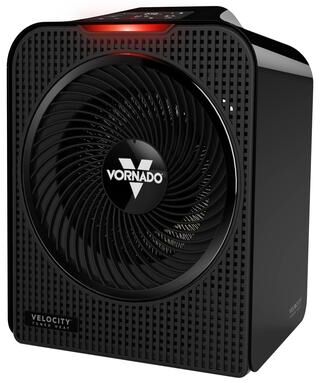
Vornado Velocity 5R Whole Room Space Heater with Remote, Digital DisplayINCREASED PERFORMANCE – The Velocity 5R heater features Velocity Tuned Heat technology, delivering hotter heat with superior efficiency. Its advanced aerodynamics push air further and faster, increasing warmth throughout your space.124,99 $*Shipping: 0,00 $Secure redirect to the provider


-
How are linear velocity, angular velocity, and frequency related?
Linear velocity, angular velocity, and frequency are all related through the equation v = ωr, where v is linear velocity, ω is angular velocity, and r is the radius of the rotating object. Angular velocity is the rate at which an object rotates around a fixed point, while linear velocity is the rate at which an object moves in a straight line. Frequency is the number of complete rotations or cycles per unit of time and is related to angular velocity by the equation f = ω/2π. Overall, these three quantities are interconnected and can be used to describe the motion of rotating objects. **
-
Which cube corresponds to the cube net?
The cube net corresponds to cube B. Cube B has the same arrangement of squares as the cube net, with each face of the cube represented on the net. The cube net can be folded to form cube B, making it the corresponding cube. **
-
What is the difference between instantaneous velocity and average velocity?
Instantaneous velocity refers to the velocity of an object at a specific moment in time, while average velocity is the total displacement of an object over a given time interval divided by the total time taken. Instantaneous velocity gives us information about the object's velocity at a particular instant, while average velocity provides an overall picture of the object's velocity over a period of time. In essence, instantaneous velocity is like looking at a snapshot of an object's motion, while average velocity is like looking at the entire video. **
-
Why do we say "sugar cube" and "ice cube" when a sugar cube is a cube made of sugar and an ice cube is a cube made of ice?
We use the term "sugar cube" and "ice cube" to describe the shape and size of the object, rather than its composition. The word "cube" refers to a three-dimensional shape with six equal square faces, and it is used to describe the shape of both the sugar and ice. The material that makes up the cube is specified by the word "sugar" or "ice" that precedes it. This allows us to differentiate between different types of cubes while still using a common term to describe their shape. **
How to program the Rubik's Cube magic cube?
To program the Rubik's Cube magic cube, you can start by breaking down the cube into its individual pieces and understanding how they move in relation to each other. Next, you can create algorithms or sequences of moves that will help you solve the cube. There are various methods and techniques available online that can guide you through the process of programming the Rubik's Cube. Practice and patience are key to mastering the programming of the Rubik's Cube magic cube. **
What is the order of the movies Cube, Cube 2: Hypercube, and Cube Zero?
The order of the movies is Cube, Cube 2: Hypercube, and Cube Zero. The first film, Cube, was released in 1997 and follows a group of strangers trapped in a maze of deadly traps. Cube 2: Hypercube, released in 2002, is a sequel that follows a similar premise but with a different group of characters in a more advanced and complex maze. Cube Zero, released in 2004, serves as a prequel to the first film and explores the origins of the deadly maze. **
Top-Angebote
Products related to Vornado-Velocity-CUBE-5S:
-
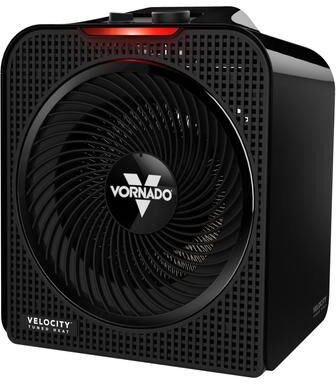
Vornado Velocity CUBE 5S Whole Room Space HeaterElegant lines meet contoured shapes to sculpt the look of the Velocity CUBE 5S, the latest member of the Velocity Tuned Heat series that creates hotter, faster and farther moving heat than ever before.105,49 $*Shipping: 0,00 $Secure redirect to the provider
-
Vornado Velocity HD 200 sq ft Electric Personal Portable HeaterA new kind of workshop heater brings the velocity tuned heat experience to deliver warmth within chilly garage and workshop spaces. Direct the heat exactly where you're working with the 30 degree head tilt.96,99 $*Shipping: 0,00 $Secure redirect to the provider
-
Vornado Velocity HD Garage Space Heater with Advanced Safety FeaturesINCREASED PERFORMANCE – The Velocity HD heater features Velocity Tuned Heat technology, delivering hotter heat with superior efficiency. Its advanced aerodynamics push air further and faster, increasing warmth all around you.94,99 $*Shipping: 0,00 $Secure redirect to the provider
-
What are velocity triangles in fluid machinery?
Velocity triangles in fluid machinery are graphical representations used to analyze the flow of fluid through the machine. They show the relative velocities of the fluid at the inlet and outlet of the machine, as well as the absolute velocity of the fluid. These triangles are used to determine the performance of the machine, such as the efficiency and power output. By analyzing the velocity triangles, engineers can optimize the design and operation of fluid machinery to achieve the desired performance. **
-
Is there a coin-operated vending machine in Flensburg?
Yes, there are coin-operated vending machines in Flensburg. These machines can be found in various locations such as train stations, shopping centers, and public buildings. They offer a variety of products including snacks, drinks, and even everyday essentials like toiletries and phone chargers. Customers can use coins to make purchases from these vending machines. **
-
How are linear velocity, angular velocity, and frequency related?
Linear velocity, angular velocity, and frequency are all related through the equation v = ωr, where v is linear velocity, ω is angular velocity, and r is the radius of the rotating object. Angular velocity is the rate at which an object rotates around a fixed point, while linear velocity is the rate at which an object moves in a straight line. Frequency is the number of complete rotations or cycles per unit of time and is related to angular velocity by the equation f = ω/2π. Overall, these three quantities are interconnected and can be used to describe the motion of rotating objects. **
-
Which cube corresponds to the cube net?
The cube net corresponds to cube B. Cube B has the same arrangement of squares as the cube net, with each face of the cube represented on the net. The cube net can be folded to form cube B, making it the corresponding cube. **
Similar search terms for Vornado-Velocity-CUBE-5S
-
Vornado Velocity 5R Whole Room Space Heater with Remote, Digital DisplayINCREASED PERFORMANCE – The Velocity 5R heater features Velocity Tuned Heat technology, delivering hotter heat with superior efficiency. Its advanced aerodynamics push air further and faster, increasing warmth throughout your space.124,99 $*Shipping: 0,00 $Secure redirect to the provider
-
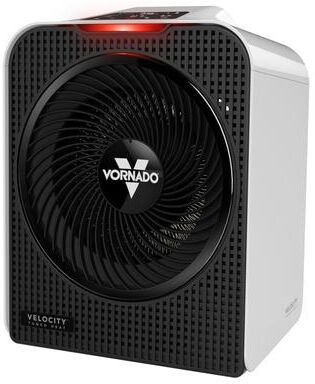
Vornado Velocity 5 Whole Room Space Heater with Auto Climate ControlINCREASED PERFORMANCE – The Velocity 5 heater features Velocity Tuned Heat technology, delivering hotter heat with superior efficiency. Its advanced aerodynamics push air further and faster, increasing warmth throughout your space.114,99 $*Shipping: 0,00 $Secure redirect to the provider
-
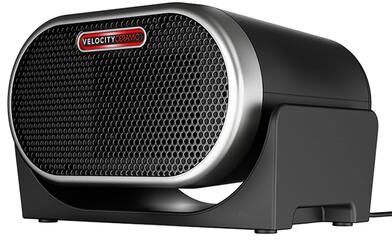
Vornado VC-01 Velocity Ceramic Heater with Reusable Pre-Filter, 4 Heat Settings, BlackVornado has revolutionized ceramic heat by adding its Velocity Tuned Heat to deliver that warm comfort farther into the room than other ceramics - you have to feel it to believe it.79,99 $*Shipping: 0,00 $Secure redirect to the provider
-
What is the difference between instantaneous velocity and average velocity?
Instantaneous velocity refers to the velocity of an object at a specific moment in time, while average velocity is the total displacement of an object over a given time interval divided by the total time taken. Instantaneous velocity gives us information about the object's velocity at a particular instant, while average velocity provides an overall picture of the object's velocity over a period of time. In essence, instantaneous velocity is like looking at a snapshot of an object's motion, while average velocity is like looking at the entire video. **
-
Why do we say "sugar cube" and "ice cube" when a sugar cube is a cube made of sugar and an ice cube is a cube made of ice?
We use the term "sugar cube" and "ice cube" to describe the shape and size of the object, rather than its composition. The word "cube" refers to a three-dimensional shape with six equal square faces, and it is used to describe the shape of both the sugar and ice. The material that makes up the cube is specified by the word "sugar" or "ice" that precedes it. This allows us to differentiate between different types of cubes while still using a common term to describe their shape. **
-
How to program the Rubik's Cube magic cube?
To program the Rubik's Cube magic cube, you can start by breaking down the cube into its individual pieces and understanding how they move in relation to each other. Next, you can create algorithms or sequences of moves that will help you solve the cube. There are various methods and techniques available online that can guide you through the process of programming the Rubik's Cube. Practice and patience are key to mastering the programming of the Rubik's Cube magic cube. **
-
What is the order of the movies Cube, Cube 2: Hypercube, and Cube Zero?
The order of the movies is Cube, Cube 2: Hypercube, and Cube Zero. The first film, Cube, was released in 1997 and follows a group of strangers trapped in a maze of deadly traps. Cube 2: Hypercube, released in 2002, is a sequel that follows a similar premise but with a different group of characters in a more advanced and complex maze. Cube Zero, released in 2004, serves as a prequel to the first film and explores the origins of the deadly maze. **
* All prices are inclusive of VAT and, if applicable, plus shipping costs. The offer information is based on the details provided by the respective shop and is updated through automated processes. Real-time updates do not occur, so deviations can occur in individual cases. ** Note: Parts of this content were created by AI.