Buy automaten.info ?
We are moving the project
automaten.info .
Are you interested in purchasing the domain
automaten.info ?
domain@kv-gmbh.de · 0541-91531010
Buy automaten.info ?
When is "arriver" and when is "venir" used?
"Arriver" is used to indicate the arrival of someone or something at a specific location, while "venir" is used to indicate the act of coming to a specific location. "Arriver" is often used to describe the arrival of a person or thing at a destination, while "venir" is used to describe the action of coming from one place to another. In general, "arriver" is used to describe the end point of a journey, while "venir" is used to describe the beginning of a journey. **
Why does venir become venues in the participe passé?
Venir becomes venues in the participe passé because it is an irregular verb in French. The past participle of venir is formed by adding -u for the singular masculine form, -ue for the singular feminine form, -us for the plural masculine form, and -ues for the plural feminine form. Therefore, the past participle of venir is venu for the singular masculine form, venue for the singular feminine form, venus for the plural masculine form, and venues for the plural feminine form. **

Similar search terms for Venir
Top-Angebote
Products related to Venir:
-
Tools, Home & Hobby 25 Inch Gumball Machine Coin Operated Capsule Toy Dispenser For Candy Bouncy Balls And Parties 25 Inch Gumball Machine Coin Operated Capsule Toy Dispenser For Candy Bouncy Balls And PartiesTurn every quarter into a little moment of excitement with this coin operated vending machine, made for kids, families, parties, game rooms, and retail spaces. Its clear highcapacity container holds up to 230 compatible gumballs, capsule toys, or...219,97 $*Shipping: 0,00 $Secure redirect to the provider
-
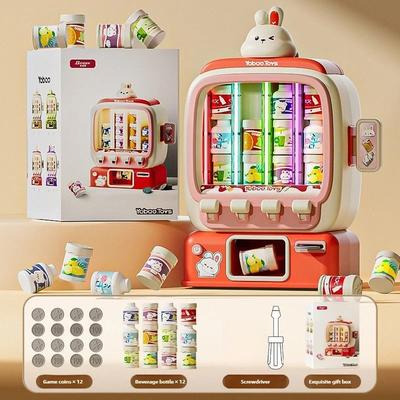
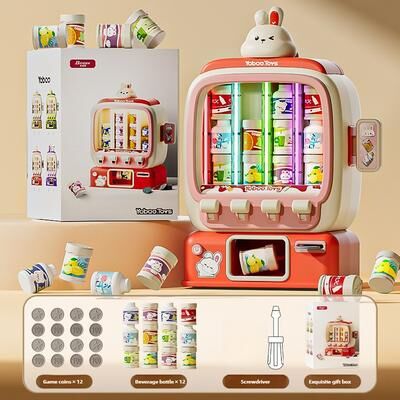
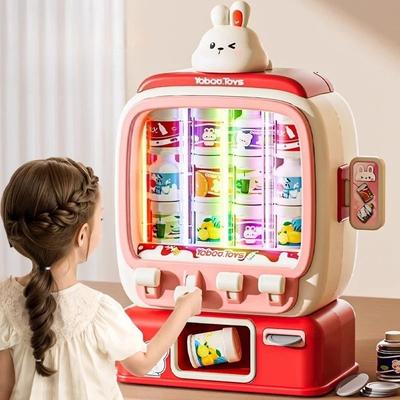
Inspire Daily Merch Mini Auto Drinks Vending Machine Coin Operated Kids Toy Simulation Beverage Machine For Children Christmas Pretend Play red RabbitBring the Fun of a Vending Machine to Your Child's Playtime! Introducing the Auto Drinks Vending Machine Toys the ultimate coin operated game that brings hours of excitement and pretend play for your little ones. This mini beverage machine is...89,97 $*Shipping: 0,00 $Secure redirect to the provider
-
Uplift Curations Tarde Porque No Queria Venir Cartoon Enamel Pin Funny Spanish Cat Brooch For Lapel, Backpack, Badge Jewelry Gift design bShow off your playful personality with this quirky cartoon enamel pin, featuring a humorous Tarde Porque No Queria Venir Spanish cat design thats sure to spark laughs. Perfect for cat lovers and fans of funny accessories, this funny lapel badge adds...40,00 $*Shipping: 0,00 $Secure redirect to the provider
-
Uplift Picks Kids Vending Machine Toy Coin Operated Mini Drink Dispenser green (dinosaur)Bring the fun of a real shop experience home with this exciting kids vending machine toy designed for imaginative play. This realistic coin operated pretend play toy lets children insert coins, press buttons, and watch their favorite mini drinks...140,00 $*Shipping: 0,00 $Secure redirect to the provider



-
Is there a coin-operated vending machine in Flensburg?
Yes, there are coin-operated vending machines in Flensburg. These machines can be found in various locations such as train stations, shopping centers, and public buildings. They offer a variety of products including snacks, drinks, and even everyday essentials like toiletries and phone chargers. Customers can use coins to make purchases from these vending machines. **
-
What is the difference in the use of ir and venir?
The main difference between the use of "ir" and "venir" in Spanish is that "ir" is used to indicate movement towards a location, while "venir" is used to indicate movement towards the speaker's location. For example, "voy al parque" means "I am going to the park," indicating movement away from the speaker, while "vienes a mi casa" means "you are coming to my house," indicating movement towards the speaker. Additionally, "ir" is an irregular verb and its conjugation changes depending on the subject, while "venir" is a regular -ir verb and follows a more predictable conjugation pattern. **
-
How do you form "venir de faire" and "être en train de faire"?
"Venir de faire" is formed by conjugating the verb "venir" in the present tense followed by the preposition "de" and the infinitive of the verb you want to express has just been done. For example, "Je viens de manger" means "I have just eaten." "Être en train de faire" is formed by conjugating the verb "être" in the present tense followed by the preposition "en train de" and the infinitive of the verb you want to express is currently being done. For example, "Je suis en train de manger" means "I am currently eating." **
-
What is the difference between "être en train" and "venir de faire" in English?
"Être en train" is used to express that someone is in the process of doing something, while "venir de faire" is used to indicate that someone has just finished doing something. For example, "Je suis en train de manger" means "I am in the process of eating," while "Je viens de manger" means "I have just eaten." Both expressions are used to talk about actions in progress or recently completed, but they convey different time frames. **

What did you get for your money at the first coin-operated vending machine?
At the first coin-operated vending machine, which was created in the early 1880s by Percival Everett, customers could purchase postcards for their money. The machine was installed in the railway stations and post offices in London, and for a penny, customers could receive a postcard featuring a picture of the surrounding area. This early vending machine was a novelty at the time and provided customers with a convenient way to purchase postcards without the need for human interaction. **
What are the exceptions for using the subjunctive with the verbs venir, boire, and prendre?
The verbs venir, boire, and prendre do not typically trigger the use of the subjunctive mood in French. However, they can be followed by the subjunctive in certain situations, such as when expressing doubt, uncertainty, or desire. In these cases, the subjunctive is used to convey a sense of subjectivity or unreality in the sentence. **
Top-Angebote
Products related to Venir:
-
Uplift Picks Kids Vending Machine Toy Coin Operated Mini Drink Dispenser red (rabbit)Bring the fun of a real shop experience home with this exciting kids vending machine toy designed for imaginative play. This realistic coin operated pretend play toy lets children insert coins, press buttons, and watch their favorite mini drinks...140,00 $*Shipping: 0,00 $Secure redirect to the provider
-
Tools, Home & Hobby 25 Inch Gumball Machine Coin Operated Capsule Toy Dispenser For Candy Bouncy Balls And Parties 25 Inch Gumball Machine Coin Operated Capsule Toy Dispenser For Candy Bouncy Balls And PartiesTurn every quarter into a little moment of excitement with this coin operated vending machine, made for kids, families, parties, game rooms, and retail spaces. Its clear highcapacity container holds up to 230 compatible gumballs, capsule toys, or...219,97 $*Shipping: 0,00 $Secure redirect to the provider
-
Inspire Daily Merch Mini Auto Drinks Vending Machine Coin Operated Kids Toy Simulation Beverage Machine For Children Christmas Pretend Play red RabbitBring the Fun of a Vending Machine to Your Child's Playtime! Introducing the Auto Drinks Vending Machine Toys the ultimate coin operated game that brings hours of excitement and pretend play for your little ones. This mini beverage machine is...89,97 $*Shipping: 0,00 $Secure redirect to the provider
-
When is "arriver" and when is "venir" used?
"Arriver" is used to indicate the arrival of someone or something at a specific location, while "venir" is used to indicate the act of coming to a specific location. "Arriver" is often used to describe the arrival of a person or thing at a destination, while "venir" is used to describe the action of coming from one place to another. In general, "arriver" is used to describe the end point of a journey, while "venir" is used to describe the beginning of a journey. **
-
Why does venir become venues in the participe passé?
Venir becomes venues in the participe passé because it is an irregular verb in French. The past participle of venir is formed by adding -u for the singular masculine form, -ue for the singular feminine form, -us for the plural masculine form, and -ues for the plural feminine form. Therefore, the past participle of venir is venu for the singular masculine form, venue for the singular feminine form, venus for the plural masculine form, and venues for the plural feminine form. **
-
Is there a coin-operated vending machine in Flensburg?
Yes, there are coin-operated vending machines in Flensburg. These machines can be found in various locations such as train stations, shopping centers, and public buildings. They offer a variety of products including snacks, drinks, and even everyday essentials like toiletries and phone chargers. Customers can use coins to make purchases from these vending machines. **
-
What is the difference in the use of ir and venir?
The main difference between the use of "ir" and "venir" in Spanish is that "ir" is used to indicate movement towards a location, while "venir" is used to indicate movement towards the speaker's location. For example, "voy al parque" means "I am going to the park," indicating movement away from the speaker, while "vienes a mi casa" means "you are coming to my house," indicating movement towards the speaker. Additionally, "ir" is an irregular verb and its conjugation changes depending on the subject, while "venir" is a regular -ir verb and follows a more predictable conjugation pattern. **
Similar search terms for Venir
-
Uplift Curations Tarde Porque No Queria Venir Cartoon Enamel Pin Funny Spanish Cat Brooch For Lapel, Backpack, Badge Jewelry Gift design bShow off your playful personality with this quirky cartoon enamel pin, featuring a humorous Tarde Porque No Queria Venir Spanish cat design thats sure to spark laughs. Perfect for cat lovers and fans of funny accessories, this funny lapel badge adds...40,00 $*Shipping: 0,00 $Secure redirect to the provider
-
Uplift Picks Kids Vending Machine Toy Coin Operated Mini Drink Dispenser green (dinosaur)Bring the fun of a real shop experience home with this exciting kids vending machine toy designed for imaginative play. This realistic coin operated pretend play toy lets children insert coins, press buttons, and watch their favorite mini drinks...140,00 $*Shipping: 0,00 $Secure redirect to the provider
-
Uplift Picks Kids Vending Machine Toy Coin Operated Mini Drink Dispenser purple (unicorn)Bring the fun of a real shop experience home with this exciting kids vending machine toy designed for imaginative play. This realistic coin operated pretend play toy lets children insert coins, press buttons, and watch their favorite mini drinks...140,00 $*Shipping: 0,00 $Secure redirect to the provider
-
How do you form "venir de faire" and "être en train de faire"?
"Venir de faire" is formed by conjugating the verb "venir" in the present tense followed by the preposition "de" and the infinitive of the verb you want to express has just been done. For example, "Je viens de manger" means "I have just eaten." "Être en train de faire" is formed by conjugating the verb "être" in the present tense followed by the preposition "en train de" and the infinitive of the verb you want to express is currently being done. For example, "Je suis en train de manger" means "I am currently eating." **
-
What is the difference between "être en train" and "venir de faire" in English?
"Être en train" is used to express that someone is in the process of doing something, while "venir de faire" is used to indicate that someone has just finished doing something. For example, "Je suis en train de manger" means "I am in the process of eating," while "Je viens de manger" means "I have just eaten." Both expressions are used to talk about actions in progress or recently completed, but they convey different time frames. **
-
What did you get for your money at the first coin-operated vending machine?
At the first coin-operated vending machine, which was created in the early 1880s by Percival Everett, customers could purchase postcards for their money. The machine was installed in the railway stations and post offices in London, and for a penny, customers could receive a postcard featuring a picture of the surrounding area. This early vending machine was a novelty at the time and provided customers with a convenient way to purchase postcards without the need for human interaction. **
-
What are the exceptions for using the subjunctive with the verbs venir, boire, and prendre?
The verbs venir, boire, and prendre do not typically trigger the use of the subjunctive mood in French. However, they can be followed by the subjunctive in certain situations, such as when expressing doubt, uncertainty, or desire. In these cases, the subjunctive is used to convey a sense of subjectivity or unreality in the sentence. **
* All prices are inclusive of VAT and, if applicable, plus shipping costs. The offer information is based on the details provided by the respective shop and is updated through automated processes. Real-time updates do not occur, so deviations can occur in individual cases. ** Note: Parts of this content were created by AI.