Buy automaten.info ?
We are moving the project
automaten.info .
Are you interested in purchasing the domain
automaten.info ?
domain@kv-gmbh.de · 0541-91531010
Buy automaten.info ?
What are self-luminous bodies?
Self-luminous bodies are objects that emit their own light, as opposed to reflecting light from another source. Examples of self-luminous bodies include stars, the sun, and certain types of light bulbs. These objects generate their own energy through processes like nuclear fusion or electrical current, which produces light as a byproduct. **
What are self-luminous celestial bodies?
Self-luminous celestial bodies are objects in space that emit their own light and heat. This includes stars, which generate energy through nuclear fusion in their cores, as well as other luminous objects such as brown dwarfs and hot gas giants. These bodies are able to shine and be visible from Earth due to the light they produce, unlike non-luminous celestial bodies such as planets and moons, which reflect light from the Sun. **
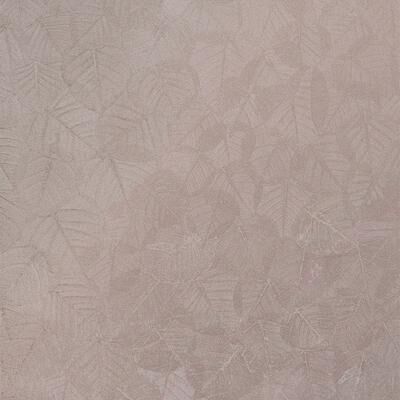
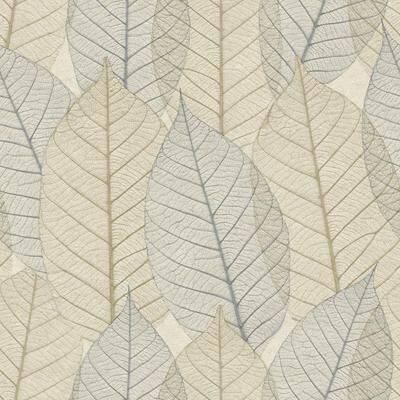
Similar search terms for Veer-Decor-Luminous-Leaf
Top-Angebote
Products related to Veer-Decor-Luminous-Leaf:
-
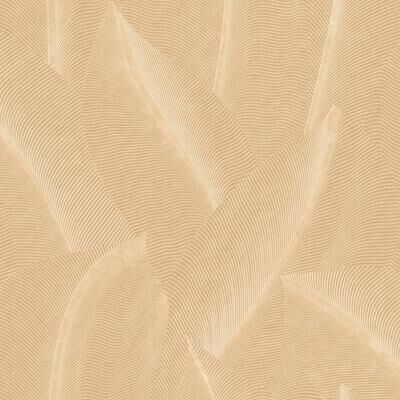
Veer Decor Allure Leaf WallpaperThis embossed design mimics the graceful curves of layered leaves, creating a sophisticated interplay of depth and dimension. The delicate detailing adds a rich texture that begs to be touched, bringing warmth and artistry to any interior.151,49 $*Shipping: 0,00 $Secure redirect to the provider



-
Are self-luminous stars harmful to health?
Self-luminous stars, such as the sun, are not harmful to health when experienced in moderation. In fact, exposure to sunlight is essential for the body to produce vitamin D, which is important for bone health and immune function. However, excessive exposure to the sun's ultraviolet (UV) radiation can lead to sunburn, skin damage, and an increased risk of skin cancer. It is important to protect the skin by using sunscreen, wearing protective clothing, and seeking shade during peak sun hours to minimize the potential harmful effects of self-luminous stars. **
-
What is the difference between a self-luminous and an externally luminous object in physics?
In physics, a self-luminous object is one that produces its own light, such as the sun or a light bulb. These objects emit light due to internal processes, such as nuclear fusion or electrical excitation. On the other hand, an externally luminous object is one that reflects light from another source, such as the moon or a mirror. These objects do not produce their own light but appear illuminated due to the light they reflect from another source. **
-
What about Veer and Zaara?
Veer and Zaara is a popular Bollywood movie released in 2004. The film tells the story of Veer, an Indian Air Force pilot, and Zaara, a Pakistani woman. The two fall in love but are separated by political and social barriers between their countries. The movie explores themes of love, sacrifice, and the power of true love to overcome all obstacles. It is known for its emotional storyline, beautiful music, and powerful performances by the lead actors. **
-
What is the decor of this Hutschenreuther porcelain service?
The decor of this Hutschenreuther porcelain service is described as a classic and elegant design featuring a white background with a delicate gold rim. The pieces are adorned with intricate floral patterns in soft pastel colors, giving them a timeless and sophisticated look. The overall aesthetic is refined and luxurious, making it perfect for formal dining occasions or special gatherings. **


Is the luminous clock radioactive?
No, the luminous clock is not radioactive. The luminescence in the clock is typically achieved using a phosphorescent material that absorbs light and then slowly releases it over time. This process does not involve any radioactive materials. The glow from the clock is simply a result of this light-absorption and emission process. **
What is a luminous point?
A luminous point is a theoretical concept used in physics and optics to represent a source of light that emits light in all directions. It is often used as a simplification in the study of light and its behavior, allowing for easier calculations and analysis. In reality, a luminous point does not exist as a physical object, but it is a useful tool for understanding the behavior of light in various systems. **
Top-Angebote
Products related to Veer-Decor-Luminous-Leaf:
-
Veer Decor Allure Leaf WallpaperThis embossed design mimics the graceful curves of layered leaves, creating a sophisticated interplay of depth and dimension. The delicate detailing adds a rich texture that begs to be touched, bringing warmth and artistry to any interior.151,49 $*Shipping: 0,00 $Secure redirect to the provider
-
What are self-luminous bodies?
Self-luminous bodies are objects that emit their own light, as opposed to reflecting light from another source. Examples of self-luminous bodies include stars, the sun, and certain types of light bulbs. These objects generate their own energy through processes like nuclear fusion or electrical current, which produces light as a byproduct. **
-
What are self-luminous celestial bodies?
Self-luminous celestial bodies are objects in space that emit their own light and heat. This includes stars, which generate energy through nuclear fusion in their cores, as well as other luminous objects such as brown dwarfs and hot gas giants. These bodies are able to shine and be visible from Earth due to the light they produce, unlike non-luminous celestial bodies such as planets and moons, which reflect light from the Sun. **
-
Are self-luminous stars harmful to health?
Self-luminous stars, such as the sun, are not harmful to health when experienced in moderation. In fact, exposure to sunlight is essential for the body to produce vitamin D, which is important for bone health and immune function. However, excessive exposure to the sun's ultraviolet (UV) radiation can lead to sunburn, skin damage, and an increased risk of skin cancer. It is important to protect the skin by using sunscreen, wearing protective clothing, and seeking shade during peak sun hours to minimize the potential harmful effects of self-luminous stars. **
-
What is the difference between a self-luminous and an externally luminous object in physics?
In physics, a self-luminous object is one that produces its own light, such as the sun or a light bulb. These objects emit light due to internal processes, such as nuclear fusion or electrical excitation. On the other hand, an externally luminous object is one that reflects light from another source, such as the moon or a mirror. These objects do not produce their own light but appear illuminated due to the light they reflect from another source. **
Similar search terms for Veer-Decor-Luminous-Leaf
-
What about Veer and Zaara?
Veer and Zaara is a popular Bollywood movie released in 2004. The film tells the story of Veer, an Indian Air Force pilot, and Zaara, a Pakistani woman. The two fall in love but are separated by political and social barriers between their countries. The movie explores themes of love, sacrifice, and the power of true love to overcome all obstacles. It is known for its emotional storyline, beautiful music, and powerful performances by the lead actors. **
-
What is the decor of this Hutschenreuther porcelain service?
The decor of this Hutschenreuther porcelain service is described as a classic and elegant design featuring a white background with a delicate gold rim. The pieces are adorned with intricate floral patterns in soft pastel colors, giving them a timeless and sophisticated look. The overall aesthetic is refined and luxurious, making it perfect for formal dining occasions or special gatherings. **
-
Is the luminous clock radioactive?
No, the luminous clock is not radioactive. The luminescence in the clock is typically achieved using a phosphorescent material that absorbs light and then slowly releases it over time. This process does not involve any radioactive materials. The glow from the clock is simply a result of this light-absorption and emission process. **
-
What is a luminous point?
A luminous point is a theoretical concept used in physics and optics to represent a source of light that emits light in all directions. It is often used as a simplification in the study of light and its behavior, allowing for easier calculations and analysis. In reality, a luminous point does not exist as a physical object, but it is a useful tool for understanding the behavior of light in various systems. **
* All prices are inclusive of VAT and, if applicable, plus shipping costs. The offer information is based on the details provided by the respective shop and is updated through automated processes. Real-time updates do not occur, so deviations can occur in individual cases. ** Note: Parts of this content were created by AI.