Buy automaten.info ?
We are moving the project
automaten.info .
Are you interested in purchasing the domain
automaten.info ?
domain@kv-gmbh.de · 0541-91531010
Buy automaten.info ?
Why is nitrogen so unreactive?
Nitrogen is unreactive because it has a very stable triple bond between its two nitrogen atoms in the N2 molecule. This triple bond requires a large amount of energy to break, making nitrogen less likely to participate in chemical reactions. Additionally, the outer electron shell of nitrogen is already filled with 8 electrons, making it less likely to gain or lose electrons to form chemical bonds with other elements. These factors contribute to nitrogen's overall inertness and unreactivity. **
Why are noble gases so unreactive?
Noble gases are unreactive because they have a full outer electron shell, making them very stable. This full outer shell means that they do not need to gain, lose, or share electrons with other atoms to achieve a stable electron configuration. As a result, noble gases do not readily form chemical bonds with other elements, making them highly unreactive. **

Similar search terms for Unreactive
Top-Angebote
Products related to Unreactive:
-
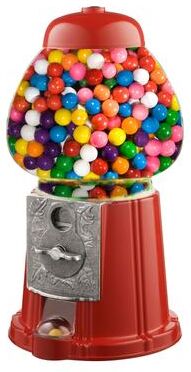
Tools, Home & Hobby 25 Inch Gumball Machine Coin Operated Capsule Toy Dispenser For Candy Bouncy Balls And Parties 25 Inch Gumball Machine Coin Operated Capsule Toy Dispenser For Candy Bouncy Balls And PartiesTurn every quarter into a little moment of excitement with this coin operated vending machine, made for kids, families, parties, game rooms, and retail spaces. Its clear highcapacity container holds up to 230 compatible gumballs, capsule toys, or...219,97 $*Shipping: 0,00 $Secure redirect to the provider
-
Inspire Daily Merch Mini Auto Drinks Vending Machine Coin Operated Kids Toy Simulation Beverage Machine For Children Christmas Pretend Play green DinosaurBring the Fun of a Vending Machine to Your Child's Playtime! Introducing the Auto Drinks Vending Machine Toys the ultimate coin operated game that brings hours of excitement and pretend play for your little ones. This mini beverage machine is...89,97 $*Shipping: 0,00 $Secure redirect to the provider
-
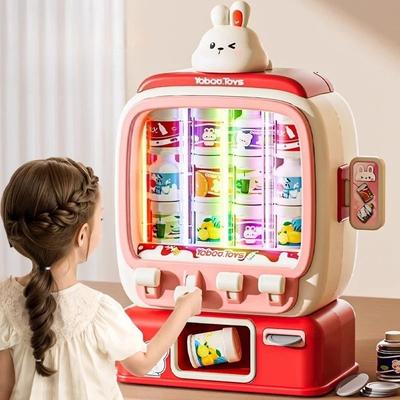
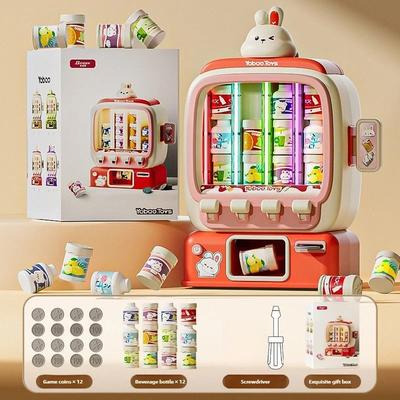
Uplift Picks Kids Vending Machine Toy Coin Operated Mini Drink Dispenser red (rabbit)Bring the fun of a real shop experience home with this exciting kids vending machine toy designed for imaginative play. This realistic coin operated pretend play toy lets children insert coins, press buttons, and watch their favorite mini drinks...140,00 $*Shipping: 0,00 $Secure redirect to the provider


-
What does unreactive mean in chemistry?
In chemistry, unreactive refers to a substance or element that does not readily undergo chemical reactions with other substances. This could be due to a stable electronic configuration, which makes it less likely to gain or lose electrons. Unreactive substances are often used as inert materials or as protective coatings to prevent reactions with other chemicals. Examples of unreactive elements include noble gases like helium, neon, and argon. **
-
How do acids react with unreactive metals?
Acids react with unreactive metals by displacing hydrogen from the acid. This reaction produces hydrogen gas and a salt of the metal. For example, when hydrochloric acid reacts with a metal like zinc, it produces zinc chloride and hydrogen gas. The reaction between acids and unreactive metals is a redox reaction, where the metal is oxidized and the hydrogen in the acid is reduced. **
-
How do alcohols react with unreactive metals?
Alcohols do not typically react with unreactive metals such as copper, silver, or gold. This is because alcohols are relatively weak acids and do not have the ability to displace the metal from its compound. Therefore, unreactive metals do not undergo any significant chemical reaction with alcohols. However, more reactive metals such as sodium or potassium can react with alcohols to produce hydrogen gas and the corresponding metal alkoxide. **
-
Is there a coin-operated vending machine in Flensburg?
Yes, there are coin-operated vending machines in Flensburg. These machines can be found in various locations such as train stations, shopping centers, and public buildings. They offer a variety of products including snacks, drinks, and even everyday essentials like toiletries and phone chargers. Customers can use coins to make purchases from these vending machines. **


What did you get for your money at the first coin-operated vending machine?
At the first coin-operated vending machine, which was created in the early 1880s by Percival Everett, customers could purchase postcards for their money. The machine was installed in the railway stations and post offices in London, and for a penny, customers could receive a postcard featuring a picture of the surrounding area. This early vending machine was a novelty at the time and provided customers with a convenient way to purchase postcards without the need for human interaction. **
Are the elements in the 7th main group of the periodic table, the halogens, reactive or rather unreactive?
The elements in the 7th main group of the periodic table, the halogens, are highly reactive. They have a strong tendency to gain an electron to achieve a full outer shell, making them very reactive with other elements. For example, they readily form compounds with metals, creating salts. This reactivity is due to their high electronegativity and their strong desire to gain an electron. **
Top-Angebote
Products related to Unreactive:
-
Uplift Picks Kids Vending Machine Toy Coin Operated Mini Drink Dispenser purple (unicorn)Bring the fun of a real shop experience home with this exciting kids vending machine toy designed for imaginative play. This realistic coin operated pretend play toy lets children insert coins, press buttons, and watch their favorite mini drinks...140,00 $*Shipping: 0,00 $Secure redirect to the provider
-
Tools, Home & Hobby 25 Inch Gumball Machine Coin Operated Capsule Toy Dispenser For Candy Bouncy Balls And Parties 25 Inch Gumball Machine Coin Operated Capsule Toy Dispenser For Candy Bouncy Balls And PartiesTurn every quarter into a little moment of excitement with this coin operated vending machine, made for kids, families, parties, game rooms, and retail spaces. Its clear highcapacity container holds up to 230 compatible gumballs, capsule toys, or...219,97 $*Shipping: 0,00 $Secure redirect to the provider
-
Inspire Daily Merch Mini Auto Drinks Vending Machine Coin Operated Kids Toy Simulation Beverage Machine For Children Christmas Pretend Play green DinosaurBring the Fun of a Vending Machine to Your Child's Playtime! Introducing the Auto Drinks Vending Machine Toys the ultimate coin operated game that brings hours of excitement and pretend play for your little ones. This mini beverage machine is...89,97 $*Shipping: 0,00 $Secure redirect to the provider
-
Why is nitrogen so unreactive?
Nitrogen is unreactive because it has a very stable triple bond between its two nitrogen atoms in the N2 molecule. This triple bond requires a large amount of energy to break, making nitrogen less likely to participate in chemical reactions. Additionally, the outer electron shell of nitrogen is already filled with 8 electrons, making it less likely to gain or lose electrons to form chemical bonds with other elements. These factors contribute to nitrogen's overall inertness and unreactivity. **
-
Why are noble gases so unreactive?
Noble gases are unreactive because they have a full outer electron shell, making them very stable. This full outer shell means that they do not need to gain, lose, or share electrons with other atoms to achieve a stable electron configuration. As a result, noble gases do not readily form chemical bonds with other elements, making them highly unreactive. **
-
What does unreactive mean in chemistry?
In chemistry, unreactive refers to a substance or element that does not readily undergo chemical reactions with other substances. This could be due to a stable electronic configuration, which makes it less likely to gain or lose electrons. Unreactive substances are often used as inert materials or as protective coatings to prevent reactions with other chemicals. Examples of unreactive elements include noble gases like helium, neon, and argon. **
-
How do acids react with unreactive metals?
Acids react with unreactive metals by displacing hydrogen from the acid. This reaction produces hydrogen gas and a salt of the metal. For example, when hydrochloric acid reacts with a metal like zinc, it produces zinc chloride and hydrogen gas. The reaction between acids and unreactive metals is a redox reaction, where the metal is oxidized and the hydrogen in the acid is reduced. **
Similar search terms for Unreactive
-
Uplift Picks Kids Vending Machine Toy Coin Operated Mini Drink Dispenser red (rabbit)Bring the fun of a real shop experience home with this exciting kids vending machine toy designed for imaginative play. This realistic coin operated pretend play toy lets children insert coins, press buttons, and watch their favorite mini drinks...140,00 $*Shipping: 0,00 $Secure redirect to the provider
-
Uplift Picks Kids Vending Machine Toy Coin Operated Mini Drink Dispenser green (dinosaur)Bring the fun of a real shop experience home with this exciting kids vending machine toy designed for imaginative play. This realistic coin operated pretend play toy lets children insert coins, press buttons, and watch their favorite mini drinks...140,00 $*Shipping: 0,00 $Secure redirect to the provider
-
How do alcohols react with unreactive metals?
Alcohols do not typically react with unreactive metals such as copper, silver, or gold. This is because alcohols are relatively weak acids and do not have the ability to displace the metal from its compound. Therefore, unreactive metals do not undergo any significant chemical reaction with alcohols. However, more reactive metals such as sodium or potassium can react with alcohols to produce hydrogen gas and the corresponding metal alkoxide. **
-
Is there a coin-operated vending machine in Flensburg?
Yes, there are coin-operated vending machines in Flensburg. These machines can be found in various locations such as train stations, shopping centers, and public buildings. They offer a variety of products including snacks, drinks, and even everyday essentials like toiletries and phone chargers. Customers can use coins to make purchases from these vending machines. **
-
What did you get for your money at the first coin-operated vending machine?
At the first coin-operated vending machine, which was created in the early 1880s by Percival Everett, customers could purchase postcards for their money. The machine was installed in the railway stations and post offices in London, and for a penny, customers could receive a postcard featuring a picture of the surrounding area. This early vending machine was a novelty at the time and provided customers with a convenient way to purchase postcards without the need for human interaction. **
-
Are the elements in the 7th main group of the periodic table, the halogens, reactive or rather unreactive?
The elements in the 7th main group of the periodic table, the halogens, are highly reactive. They have a strong tendency to gain an electron to achieve a full outer shell, making them very reactive with other elements. For example, they readily form compounds with metals, creating salts. This reactivity is due to their high electronegativity and their strong desire to gain an electron. **
* All prices are inclusive of VAT and, if applicable, plus shipping costs. The offer information is based on the details provided by the respective shop and is updated through automated processes. Real-time updates do not occur, so deviations can occur in individual cases. ** Note: Parts of this content were created by AI.