Buy automaten.info ?
We are moving the project
automaten.info .
Are you interested in purchasing the domain
automaten.info ?
domain@kv-gmbh.de · 0541-91531010
Buy automaten.info ?
How do you terminate a subprocess in Python?
To terminate a subprocess in Python, you can use the `terminate()` method of the `subprocess.Popen` object. This method sends a SIGTERM signal to the subprocess, asking it to terminate gracefully. Alternatively, you can use the `kill()` method to forcefully terminate the subprocess by sending a SIGKILL signal. It is important to handle any cleanup or resource release operations before terminating the subprocess to avoid any potential issues. **
What is the use of subprocess in Python?
Subprocess in Python is used to create new processes, connect to their input/output/error pipes, and obtain their return codes. It allows Python scripts to run external programs and interact with them. Subprocess is particularly useful for tasks such as calling system commands, running shell scripts, and managing multiple processes simultaneously within a Python program. It provides a way to execute commands outside of the Python interpreter and handle their input/output seamlessly. **
Similar search terms for Subprocess
Top-Angebote
Products related to Subprocess:
-
Inspire Daily Merch Mini Auto Drinks Vending Machine Coin Operated Kids Toy Simulation Beverage Machine For Children Christmas Pretend Play green DinosaurBring the Fun of a Vending Machine to Your Child's Playtime! Introducing the Auto Drinks Vending Machine Toys the ultimate coin operated game that brings hours of excitement and pretend play for your little ones. This mini beverage machine is...89,97 $*Shipping: 0,00 $Secure redirect to the provider
-
Inspired Living Mini Capsule Vending Machine Surprise Egg Toy Kids Blind Box Dispenser Fun Game astronautTurn everyday play into a moment of surprise and excitement with this delightful mini capsule vending machine. Designed for kids who love mystery and rewards, this interactive toy dispenses fun capsules just like a real arcade machine. Whether its a...23,97 $*Shipping: 0,00 $Secure redirect to the provider
-
Uplift Picks Kids Vending Machine Toy Coin Operated Mini Drink Dispenser green (dinosaur)Bring the fun of a real shop experience home with this exciting kids vending machine toy designed for imaginative play. This realistic coin operated pretend play toy lets children insert coins, press buttons, and watch their favorite mini drinks...140,00 $*Shipping: 0,00 $Secure redirect to the provider




-
How does the Python subprocess block the main thread?
The Python subprocess module can block the main thread when using the `subprocess.run()` function without specifying the `stdout` or `stderr` arguments. By default, these arguments are set to `subprocess.PIPE`, which means that the standard output and error streams of the subprocess are captured and stored in memory. This can cause the main thread to block while waiting for the subprocess to finish and the captured output to be read. To avoid blocking the main thread, you can use the `subprocess.Popen` class and manage the input and output streams manually, or use the `subprocess.run()` function with the `stdout` and `stderr` arguments set to `subprocess.DEVNULL` to discard the output. **
-
Is there a coin-operated vending machine in Flensburg?
Yes, there are coin-operated vending machines in Flensburg. These machines can be found in various locations such as train stations, shopping centers, and public buildings. They offer a variety of products including snacks, drinks, and even everyday essentials like toiletries and phone chargers. Customers can use coins to make purchases from these vending machines. **
-
How do I redirect the output of a subprocess to a file in Python?
You can redirect the output of a subprocess to a file in Python by using the `subprocess` module. First, you would open the file in write mode using the `open()` function. Then, you can use the `subprocess.Popen()` function to run the command and specify the `stdout` parameter to be the file object. This will redirect the standard output of the subprocess to the file. Finally, you can use the `communicate()` method to wait for the subprocess to finish and close the file. **
-
What did you get for your money at the first coin-operated vending machine?
At the first coin-operated vending machine, which was created in the early 1880s by Percival Everett, customers could purchase postcards for their money. The machine was installed in the railway stations and post offices in London, and for a penny, customers could receive a postcard featuring a picture of the surrounding area. This early vending machine was a novelty at the time and provided customers with a convenient way to purchase postcards without the need for human interaction. **
What is better: a cashier-operated checkout or a self-service store?
The answer to this question depends on individual preferences and needs. A cashier-operated checkout provides the opportunity for human interaction and personalized service, which some people may prefer. On the other hand, a self-service store offers convenience and efficiency, allowing customers to complete their purchases quickly and without waiting in line. Ultimately, the better option is subjective and varies from person to person. **
Is there a coin-operated machine in Flensburg?
Yes, there are coin-operated machines in Flensburg. These machines can be found in various locations such as laundromats, parking lots, and some public transportation stations. They are commonly used for services like laundry, parking, and vending machines. **
Top-Angebote
Products related to Subprocess:
-
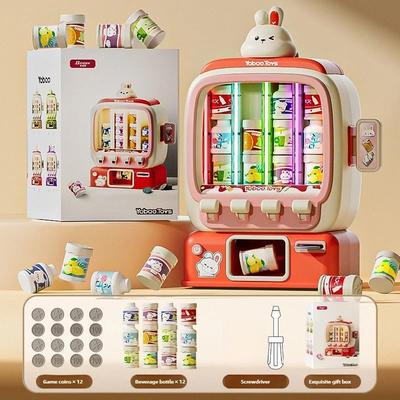
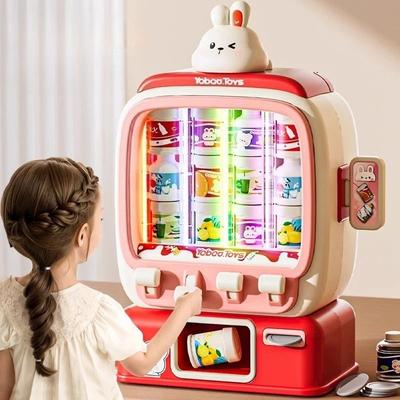
Uplift Picks Kids Vending Machine Toy Coin Operated Mini Drink Dispenser red (rabbit)Bring the fun of a real shop experience home with this exciting kids vending machine toy designed for imaginative play. This realistic coin operated pretend play toy lets children insert coins, press buttons, and watch their favorite mini drinks...140,00 $*Shipping: 0,00 $Secure redirect to the provider
-
Inspire Daily Merch Mini Auto Drinks Vending Machine Coin Operated Kids Toy Simulation Beverage Machine For Children Christmas Pretend Play green DinosaurBring the Fun of a Vending Machine to Your Child's Playtime! Introducing the Auto Drinks Vending Machine Toys the ultimate coin operated game that brings hours of excitement and pretend play for your little ones. This mini beverage machine is...89,97 $*Shipping: 0,00 $Secure redirect to the provider
-
How do you terminate a subprocess in Python?
To terminate a subprocess in Python, you can use the `terminate()` method of the `subprocess.Popen` object. This method sends a SIGTERM signal to the subprocess, asking it to terminate gracefully. Alternatively, you can use the `kill()` method to forcefully terminate the subprocess by sending a SIGKILL signal. It is important to handle any cleanup or resource release operations before terminating the subprocess to avoid any potential issues. **
-
What is the use of subprocess in Python?
Subprocess in Python is used to create new processes, connect to their input/output/error pipes, and obtain their return codes. It allows Python scripts to run external programs and interact with them. Subprocess is particularly useful for tasks such as calling system commands, running shell scripts, and managing multiple processes simultaneously within a Python program. It provides a way to execute commands outside of the Python interpreter and handle their input/output seamlessly. **
-
How does the Python subprocess block the main thread?
The Python subprocess module can block the main thread when using the `subprocess.run()` function without specifying the `stdout` or `stderr` arguments. By default, these arguments are set to `subprocess.PIPE`, which means that the standard output and error streams of the subprocess are captured and stored in memory. This can cause the main thread to block while waiting for the subprocess to finish and the captured output to be read. To avoid blocking the main thread, you can use the `subprocess.Popen` class and manage the input and output streams manually, or use the `subprocess.run()` function with the `stdout` and `stderr` arguments set to `subprocess.DEVNULL` to discard the output. **
-
Is there a coin-operated vending machine in Flensburg?
Yes, there are coin-operated vending machines in Flensburg. These machines can be found in various locations such as train stations, shopping centers, and public buildings. They offer a variety of products including snacks, drinks, and even everyday essentials like toiletries and phone chargers. Customers can use coins to make purchases from these vending machines. **
Similar search terms for Subprocess
-
Inspired Living Mini Capsule Vending Machine Surprise Egg Toy Kids Blind Box Dispenser Fun Game astronautTurn everyday play into a moment of surprise and excitement with this delightful mini capsule vending machine. Designed for kids who love mystery and rewards, this interactive toy dispenses fun capsules just like a real arcade machine. Whether its a...23,97 $*Shipping: 0,00 $Secure redirect to the provider
-
Uplift Picks Kids Vending Machine Toy Coin Operated Mini Drink Dispenser green (dinosaur)Bring the fun of a real shop experience home with this exciting kids vending machine toy designed for imaginative play. This realistic coin operated pretend play toy lets children insert coins, press buttons, and watch their favorite mini drinks...140,00 $*Shipping: 0,00 $Secure redirect to the provider
-
Uplift Picks Kids Vending Machine Toy Coin Operated Mini Drink Dispenser purple (unicorn)Bring the fun of a real shop experience home with this exciting kids vending machine toy designed for imaginative play. This realistic coin operated pretend play toy lets children insert coins, press buttons, and watch their favorite mini drinks...140,00 $*Shipping: 0,00 $Secure redirect to the provider
-
How do I redirect the output of a subprocess to a file in Python?
You can redirect the output of a subprocess to a file in Python by using the `subprocess` module. First, you would open the file in write mode using the `open()` function. Then, you can use the `subprocess.Popen()` function to run the command and specify the `stdout` parameter to be the file object. This will redirect the standard output of the subprocess to the file. Finally, you can use the `communicate()` method to wait for the subprocess to finish and close the file. **
-
What did you get for your money at the first coin-operated vending machine?
At the first coin-operated vending machine, which was created in the early 1880s by Percival Everett, customers could purchase postcards for their money. The machine was installed in the railway stations and post offices in London, and for a penny, customers could receive a postcard featuring a picture of the surrounding area. This early vending machine was a novelty at the time and provided customers with a convenient way to purchase postcards without the need for human interaction. **
-
What is better: a cashier-operated checkout or a self-service store?
The answer to this question depends on individual preferences and needs. A cashier-operated checkout provides the opportunity for human interaction and personalized service, which some people may prefer. On the other hand, a self-service store offers convenience and efficiency, allowing customers to complete their purchases quickly and without waiting in line. Ultimately, the better option is subjective and varies from person to person. **
-
Is there a coin-operated machine in Flensburg?
Yes, there are coin-operated machines in Flensburg. These machines can be found in various locations such as laundromats, parking lots, and some public transportation stations. They are commonly used for services like laundry, parking, and vending machines. **
* All prices are inclusive of VAT and, if applicable, plus shipping costs. The offer information is based on the details provided by the respective shop and is updated through automated processes. Real-time updates do not occur, so deviations can occur in individual cases. ** Note: Parts of this content were created by AI.