Buy automaten.info ?
We are moving the project
automaten.info .
Are you interested in purchasing the domain
automaten.info ?
domain@kv-gmbh.de · 0541-91531010
Buy automaten.info ?
Is a lyrical speaker always a lyrical self in poems?
A lyrical speaker in a poem does not always represent the poet's true self. The speaker in a poem can be a persona created by the poet to convey a particular message or explore a certain theme. While the speaker may share similarities with the poet, it is not always an exact reflection of the poet's personal thoughts and feelings. Therefore, a lyrical speaker in a poem is not always synonymous with the poet's lyrical self. **
What is the difference between the lyrical self and the lyrical subject?
The lyrical self refers to the actual person who is the author of the poem or song, while the lyrical subject refers to the persona or character that the author creates within the work. The lyrical self is the real person behind the words, while the lyrical subject is a constructed identity within the artistic creation. The lyrical self may draw from personal experiences and emotions, while the lyrical subject may be a fictional or exaggerated representation of the author's feelings and thoughts. **

Similar search terms for Lyrical
Top-Angebote
Products related to Lyrical:
-
Sophie Conran By Wax Lyrical Freedom Ceramic Candle JarThe Sophie Conran By Wax Lyrical Ceramic Candle Jar Freedom has been designed to restore a sense of equilibrium in both its elegant look and beautiful fragrance. With petitgrain and bitter orange top notes are complemented by sweet neroli and bright pink pepper lifted by citrus elements, all resting on a base of warm spices. Beautifully presented yellow wax candle in a white rippled ceramic jar. Designed and manufactured in England. Burn time up to 80 hours.17,25 £*Shipping: 3,50 £Secure redirect to the provider
-
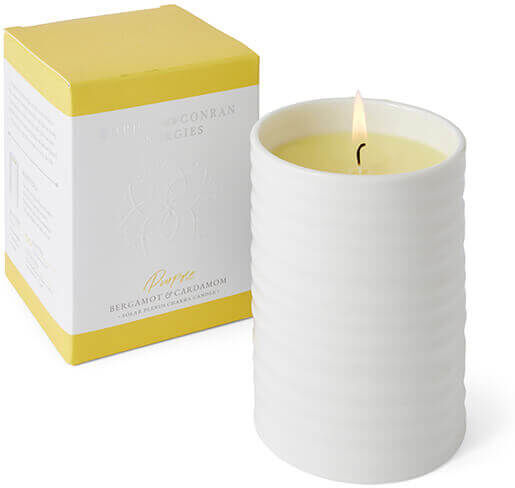
Sophie Conran By Wax Lyrical Purpose Ceramic Candle JarThe Sophie Conran By Wax Lyrical Ceramic Candle Jar Purpose has been designed to restore a sense of equilibrium in both its elegant look and beautiful fragrance. With citrus top notes of bergamot and lemon sparkle above a heart of petitgrain and neroli, resting on a gentle base of spiced cardamom and warm ginger. Beautifully presented yellow wax candle in a white rippled ceramic jar. Designed and manufactured in England. Burn time up to 80 hours.17,25 £*Shipping: 3,50 £Secure redirect to the provider
-
Sophie Conran By Wax Lyrical Balance Ceramic Candle JarThe Sophie Conran By Wax Lyrical Ceramic Candle Jar Balance has been designed to restore a sense of equilibrium in both its elegant look and beautiful fragrance. Herbal geranium, ylang ylang and lavandin notes rest upon a rich and aromatic base of camphor and guaiac wood. Beautifully presented green wax candle in a white rippled ceramic jar. Designed and manufactured in England. Burn time up to 80 hours.17,25 £*Shipping: 3,50 £Secure redirect to the provider
-
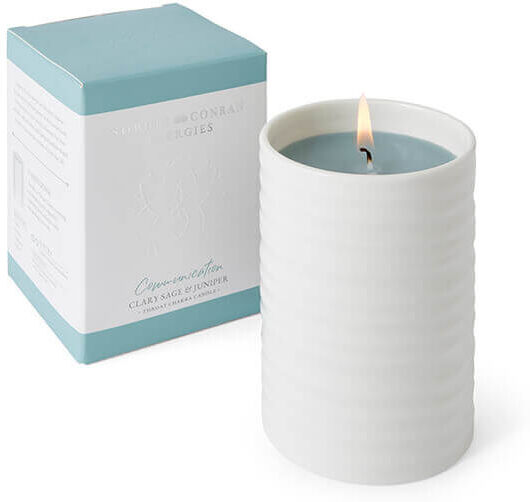
Sophie Conran By Wax Lyrical Communication Ceramic Candle JarThe Sophie Conran By Wax Lyrical Ceramic Candle Jar Communication has been designed to restore a sense of equilibrium in both its elegant look and beautiful fragrance. Aromatic top notes of spearmint and clary sage on an intense juniper berry heart, while rosemary notes lead to a rich and woody base of cedarwood and patchouli. Beautifully presented calming blue wax candle in a white rippled ceramic jar. Designed and manufactured in England. Burn time up to 80 hours.17,25 £*Shipping: 3,50 £Secure redirect to the provider


-
What is the difference between the lyrical self and the lyrical speaker?
The lyrical self refers to the personal experiences, emotions, and thoughts of the poet that are expressed in a poem. It is the poet's own perspective and voice that comes through in the writing. On the other hand, the lyrical speaker is the persona or character created by the poet to narrate the poem. The lyrical speaker may or may not reflect the poet's actual beliefs or experiences, allowing for a more imaginative or fictionalized portrayal. In essence, the lyrical self is the poet's authentic voice, while the lyrical speaker is a constructed persona within the poem. **
-
Is there a lyrical self here?
Yes, there is a lyrical self present in the text. The use of first-person pronouns and personal reflections suggest a subjective perspective and emotional depth. The introspective tone and poetic language further indicate the presence of a lyrical self, expressing thoughts and feelings in a creative and introspective manner. **
-
Does Erlkönig have a lyrical self?
Yes, "Erlkönig" does have a lyrical self. The poem is written in the first person, and the speaker is the father who is riding through the night with his son. The poem expresses the father's fear and desperation as he tries to protect his son from the Erlking, a supernatural being. The emotions and thoughts of the father are conveyed through the lyrical self of the poem, creating a sense of urgency and tension in the narrative. **
-
What does the lyrical self do?
The lyrical self expresses the inner thoughts, emotions, and experiences of the speaker through the use of poetic language and imagery. It allows the speaker to convey their unique perspective and personal truths, often delving into themes of love, loss, identity, and the human experience. The lyrical self also invites the reader to connect with the speaker on a deeper, emotional level, creating a sense of intimacy and empathy through the power of language and self-expression. **

What is the lyrical self in a poem?
The lyrical self in a poem refers to the speaker or persona created by the poet to convey their thoughts, emotions, and experiences. It is the voice through which the poet expresses their innermost feelings and perspectives. The lyrical self is not always a direct representation of the poet themselves, but rather a constructed character that serves as a vehicle for exploring themes and engaging with the reader. Through the lyrical self, poets can evoke empathy, create intimacy, and offer unique insights into the human experience. **
How should the lyrical self be referred to?
The lyrical self should be referred to in the first person, as it represents the personal thoughts, emotions, and experiences of the speaker in the poem. By using the first person, the speaker establishes a direct connection with the reader, allowing for a more intimate and authentic expression of their inner world. This personal perspective helps to create a sense of immediacy and emotional resonance in the poem, drawing the reader into the speaker's unique perspective and voice. **
Top-Angebote
Products related to Lyrical:
-
Uplift Picks Kids Vending Machine Toy Coin Operated Mini Drink Dispenser red (rabbit)Bring the fun of a real shop experience home with this exciting kids vending machine toy designed for imaginative play. This realistic coin operated pretend play toy lets children insert coins, press buttons, and watch their favorite mini drinks...140,00 $*Shipping: 0,00 $Secure redirect to the provider
-
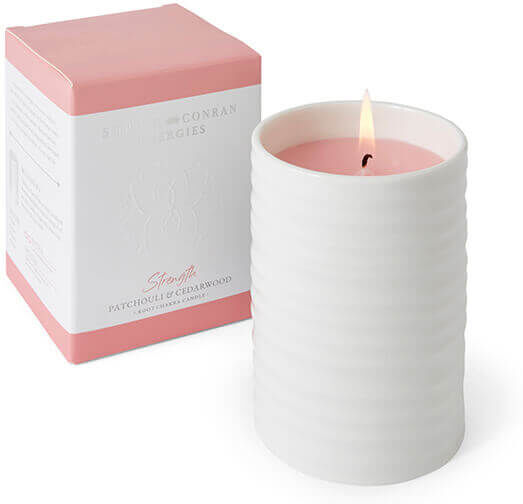
Sophie Conran By Wax Lyrical Strength Ceramic Candle JarThe Sophie Conran By Wax Lyrical Ceramic Candle Jar Strength has been designed to restore a sense of equilibrium in both its elegant look and beautiful fragrance. With woody base elements of patchouli and cedarwood, lifted by warming notes of myrrh and black pepper, and the delicate heart of rose is highlighted by hints of bergamot. Beautifully presented pink wax candle in a white rippled ceramic jar. Designed and manufactured in England. Burn time up to 80 hours.17,25 £*Shipping: 3,50 £Secure redirect to the provider
-
Sophie Conran By Wax Lyrical Freedom Ceramic Candle JarThe Sophie Conran By Wax Lyrical Ceramic Candle Jar Freedom has been designed to restore a sense of equilibrium in both its elegant look and beautiful fragrance. With petitgrain and bitter orange top notes are complemented by sweet neroli and bright pink pepper lifted by citrus elements, all resting on a base of warm spices. Beautifully presented yellow wax candle in a white rippled ceramic jar. Designed and manufactured in England. Burn time up to 80 hours.17,25 £*Shipping: 3,50 £Secure redirect to the provider
-
Sophie Conran By Wax Lyrical Purpose Ceramic Candle JarThe Sophie Conran By Wax Lyrical Ceramic Candle Jar Purpose has been designed to restore a sense of equilibrium in both its elegant look and beautiful fragrance. With citrus top notes of bergamot and lemon sparkle above a heart of petitgrain and neroli, resting on a gentle base of spiced cardamom and warm ginger. Beautifully presented yellow wax candle in a white rippled ceramic jar. Designed and manufactured in England. Burn time up to 80 hours.17,25 £*Shipping: 3,50 £Secure redirect to the provider
-
Is a lyrical speaker always a lyrical self in poems?
A lyrical speaker in a poem does not always represent the poet's true self. The speaker in a poem can be a persona created by the poet to convey a particular message or explore a certain theme. While the speaker may share similarities with the poet, it is not always an exact reflection of the poet's personal thoughts and feelings. Therefore, a lyrical speaker in a poem is not always synonymous with the poet's lyrical self. **
-
What is the difference between the lyrical self and the lyrical subject?
The lyrical self refers to the actual person who is the author of the poem or song, while the lyrical subject refers to the persona or character that the author creates within the work. The lyrical self is the real person behind the words, while the lyrical subject is a constructed identity within the artistic creation. The lyrical self may draw from personal experiences and emotions, while the lyrical subject may be a fictional or exaggerated representation of the author's feelings and thoughts. **
-
What is the difference between the lyrical self and the lyrical speaker?
The lyrical self refers to the personal experiences, emotions, and thoughts of the poet that are expressed in a poem. It is the poet's own perspective and voice that comes through in the writing. On the other hand, the lyrical speaker is the persona or character created by the poet to narrate the poem. The lyrical speaker may or may not reflect the poet's actual beliefs or experiences, allowing for a more imaginative or fictionalized portrayal. In essence, the lyrical self is the poet's authentic voice, while the lyrical speaker is a constructed persona within the poem. **
-
Is there a lyrical self here?
Yes, there is a lyrical self present in the text. The use of first-person pronouns and personal reflections suggest a subjective perspective and emotional depth. The introspective tone and poetic language further indicate the presence of a lyrical self, expressing thoughts and feelings in a creative and introspective manner. **
Similar search terms for Lyrical
-
Sophie Conran By Wax Lyrical Balance Ceramic Candle JarThe Sophie Conran By Wax Lyrical Ceramic Candle Jar Balance has been designed to restore a sense of equilibrium in both its elegant look and beautiful fragrance. Herbal geranium, ylang ylang and lavandin notes rest upon a rich and aromatic base of camphor and guaiac wood. Beautifully presented green wax candle in a white rippled ceramic jar. Designed and manufactured in England. Burn time up to 80 hours.17,25 £*Shipping: 3,50 £Secure redirect to the provider
-
Sophie Conran By Wax Lyrical Communication Ceramic Candle JarThe Sophie Conran By Wax Lyrical Ceramic Candle Jar Communication has been designed to restore a sense of equilibrium in both its elegant look and beautiful fragrance. Aromatic top notes of spearmint and clary sage on an intense juniper berry heart, while rosemary notes lead to a rich and woody base of cedarwood and patchouli. Beautifully presented calming blue wax candle in a white rippled ceramic jar. Designed and manufactured in England. Burn time up to 80 hours.17,25 £*Shipping: 3,50 £Secure redirect to the provider
-
Sophie Conran By Wax Lyrical Clarity Ceramic Candle JarThe Sophie Conran By Wax Lyrical Ceramic Candle Jar Clarity has been designed to restore a sense of equilibrium in both its elegant look and beautiful fragrance. A base of vetivert, precious woods and resins. A rich heart of rose florals and elemi is lifted by spicy top notes of galbanum. Beautifully presented calming blue wax candle in a white rippled ceramic jar. Designed and manufactured in England. Burn time up to 80 hours.17,25 £*Shipping: 3,50 £Secure redirect to the provider
-
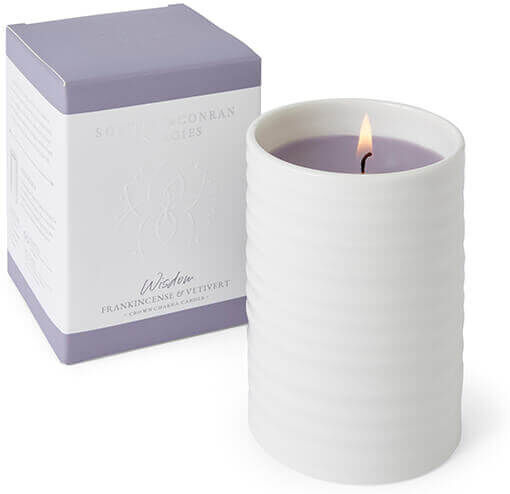
Sophie Conran By Wax Lyrical Wisdom Ceramic Candle JarThe Sophie Conran By Wax Lyrical Ceramic Candle Jar Wisdom has been designed to restore a sense of equilibrium in both its elegant look and beautiful fragrance. With bright and herbal top notes of clary sage that lead to a powdery heart of violet, while sweet notes of iris rest on a woody base of patchouli and frankincense. Beautifully presented calming blue wax candle in a white rippled ceramic jar. Designed and manufactured in England. Burn time up to 80 hours.17,25 £*Shipping: 3,50 £Secure redirect to the provider
-
Does Erlkönig have a lyrical self?
Yes, "Erlkönig" does have a lyrical self. The poem is written in the first person, and the speaker is the father who is riding through the night with his son. The poem expresses the father's fear and desperation as he tries to protect his son from the Erlking, a supernatural being. The emotions and thoughts of the father are conveyed through the lyrical self of the poem, creating a sense of urgency and tension in the narrative. **
-
What does the lyrical self do?
The lyrical self expresses the inner thoughts, emotions, and experiences of the speaker through the use of poetic language and imagery. It allows the speaker to convey their unique perspective and personal truths, often delving into themes of love, loss, identity, and the human experience. The lyrical self also invites the reader to connect with the speaker on a deeper, emotional level, creating a sense of intimacy and empathy through the power of language and self-expression. **
-
What is the lyrical self in a poem?
The lyrical self in a poem refers to the speaker or persona created by the poet to convey their thoughts, emotions, and experiences. It is the voice through which the poet expresses their innermost feelings and perspectives. The lyrical self is not always a direct representation of the poet themselves, but rather a constructed character that serves as a vehicle for exploring themes and engaging with the reader. Through the lyrical self, poets can evoke empathy, create intimacy, and offer unique insights into the human experience. **
-
How should the lyrical self be referred to?
The lyrical self should be referred to in the first person, as it represents the personal thoughts, emotions, and experiences of the speaker in the poem. By using the first person, the speaker establishes a direct connection with the reader, allowing for a more intimate and authentic expression of their inner world. This personal perspective helps to create a sense of immediacy and emotional resonance in the poem, drawing the reader into the speaker's unique perspective and voice. **
* All prices are inclusive of VAT and, if applicable, plus shipping costs. The offer information is based on the details provided by the respective shop and is updated through automated processes. Real-time updates do not occur, so deviations can occur in individual cases. ** Note: Parts of this content were created by AI.