Buy automaten.info ?
We are moving the project
automaten.info .
Are you interested in purchasing the domain
automaten.info ?
domain@kv-gmbh.de · 0541-91531010
Buy automaten.info ?
Are wages liabilities?
Yes, wages are considered liabilities for a company because they represent an obligation to pay employees for their work. From an accounting perspective, wages are typically recorded as a liability on the company's balance sheet until they are paid to the employees. This reflects the company's obligation to fulfill its financial commitments to its employees. Therefore, wages are classified as a liability until they are settled. **
What are liabilities and receivables?
Liabilities are obligations or debts that a company owes to external parties, such as loans, accounts payable, or accrued expenses. They represent the company's financial responsibilities that must be settled in the future. Receivables, on the other hand, are amounts owed to a company by its customers or other parties for goods or services provided. They represent the company's right to receive payment and are considered assets on the company's balance sheet. Both liabilities and receivables are important components of a company's financial position and are crucial for assessing its overall financial health. **


Similar search terms for Liabilities
Top-Angebote
Products related to Liabilities:
-
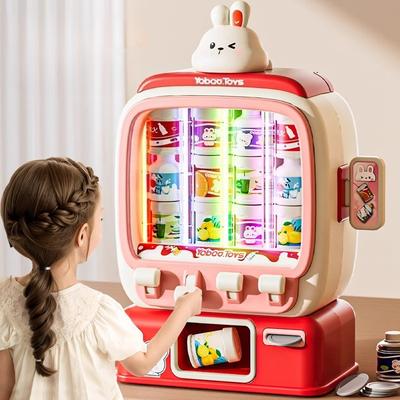
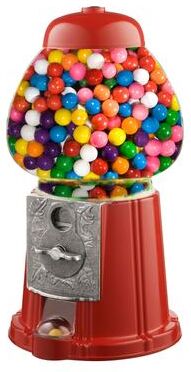
Inspire Daily Merch Mini Auto Drinks Vending Machine Coin Operated Kids Toy Simulation Beverage Machine For Children Christmas Pretend Play purple UnicornBring the Fun of a Vending Machine to Your Child's Playtime! Introducing the Auto Drinks Vending Machine Toys the ultimate coin operated game that brings hours of excitement and pretend play for your little ones. This mini beverage machine is...89,97 $*Shipping: 0,00 $Secure redirect to the provider
-
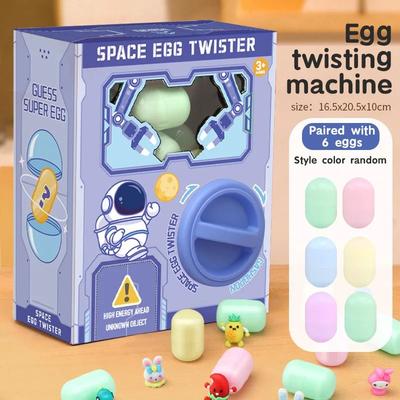
Inspired Living Mini Capsule Vending Machine Surprise Egg Toy Kids Blind Box Dispenser Fun Game astronautTurn everyday play into a moment of surprise and excitement with this delightful mini capsule vending machine. Designed for kids who love mystery and rewards, this interactive toy dispenses fun capsules just like a real arcade machine. Whether its a...23,97 $*Shipping: 0,00 $Secure redirect to the provider
-
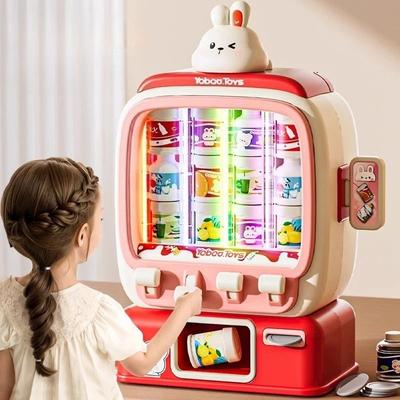
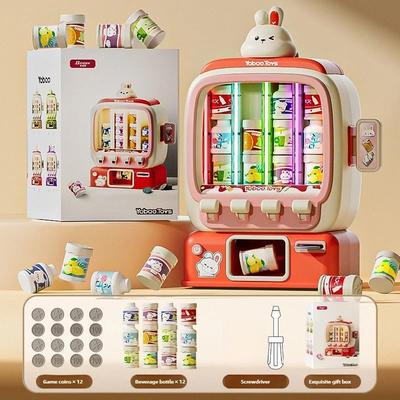
Uplift Picks Kids Vending Machine Toy Coin Operated Mini Drink Dispenser purple (unicorn)Bring the fun of a real shop experience home with this exciting kids vending machine toy designed for imaginative play. This realistic coin operated pretend play toy lets children insert coins, press buttons, and watch their favorite mini drinks...140,00 $*Shipping: 0,00 $Secure redirect to the provider
-
Is there a coin-operated vending machine in Flensburg?
Yes, there are coin-operated vending machines in Flensburg. These machines can be found in various locations such as train stations, shopping centers, and public buildings. They offer a variety of products including snacks, drinks, and even everyday essentials like toiletries and phone chargers. Customers can use coins to make purchases from these vending machines. **
-
Why is equity on the liabilities side?
Equity is placed on the liabilities side of the balance sheet because it represents the claims of the company's owners or shareholders on the company's assets. It is considered a liability because the company has an obligation to its owners to repay their investment in the business. However, unlike other liabilities, equity does not have a fixed repayment schedule and is considered a residual claim, meaning it is only paid out after all other liabilities have been settled. Therefore, equity is categorized as a liability on the balance sheet to accurately reflect the financial obligations of the company. **
-
What are transitory assets and/or liabilities?
Transitory assets and/or liabilities are items on a company's balance sheet that are expected to be settled or used up within a relatively short period of time, typically within one year. These items are considered to be temporary in nature and are not expected to have a long-term impact on the company's financial position. Examples of transitory assets include cash, accounts receivable, and inventory, while examples of transitory liabilities include accounts payable and short-term debt. It is important for investors and analysts to understand the nature of these transitory items when evaluating a company's financial health and performance. **
-
How are the assets and liabilities evaluated?
Assets and liabilities are evaluated based on their current market value or book value. For assets, this means determining their fair market value, which is the price that they could be sold for in the current market. Liabilities are evaluated based on their current outstanding balance or the amount that is owed. This evaluation helps to determine the financial health and position of a company, as well as its ability to meet its financial obligations. **

How can accounting, liabilities, and receivables be interconnected?
Accounting, liabilities, and receivables are interconnected in the sense that they all play a role in a company's financial health. Liabilities are debts or obligations that a company owes, which are recorded on the balance sheet as part of the accounting process. Receivables, on the other hand, represent money owed to the company by its customers or clients, and are also recorded on the balance sheet as assets. The relationship between these two is that receivables can eventually become liabilities if they are not collected in a timely manner, which can impact the company's financial position. Therefore, proper accounting practices are essential to accurately track and manage both liabilities and receivables to ensure the company's financial stability. **
What is a statement of assets and liabilities?
A statement of assets and liabilities is a financial document that provides a snapshot of an individual's or organization's financial position at a specific point in time. It lists all the assets, such as cash, investments, property, and equipment, as well as all the liabilities, such as loans, mortgages, and other debts. The statement helps to assess the overall financial health and solvency of the entity by comparing the total assets to the total liabilities. It is an essential tool for financial planning, decision-making, and assessing the ability to meet financial obligations. **
Top-Angebote
Products related to Liabilities:
-
Uplift Picks Kids Vending Machine Toy Coin Operated Mini Drink Dispenser green (dinosaur)Bring the fun of a real shop experience home with this exciting kids vending machine toy designed for imaginative play. This realistic coin operated pretend play toy lets children insert coins, press buttons, and watch their favorite mini drinks...140,00 $*Shipping: 0,00 $Secure redirect to the provider
-
Inspire Daily Merch Mini Auto Drinks Vending Machine Coin Operated Kids Toy Simulation Beverage Machine For Children Christmas Pretend Play purple UnicornBring the Fun of a Vending Machine to Your Child's Playtime! Introducing the Auto Drinks Vending Machine Toys the ultimate coin operated game that brings hours of excitement and pretend play for your little ones. This mini beverage machine is...89,97 $*Shipping: 0,00 $Secure redirect to the provider
-
Are wages liabilities?
Yes, wages are considered liabilities for a company because they represent an obligation to pay employees for their work. From an accounting perspective, wages are typically recorded as a liability on the company's balance sheet until they are paid to the employees. This reflects the company's obligation to fulfill its financial commitments to its employees. Therefore, wages are classified as a liability until they are settled. **
-
What are liabilities and receivables?
Liabilities are obligations or debts that a company owes to external parties, such as loans, accounts payable, or accrued expenses. They represent the company's financial responsibilities that must be settled in the future. Receivables, on the other hand, are amounts owed to a company by its customers or other parties for goods or services provided. They represent the company's right to receive payment and are considered assets on the company's balance sheet. Both liabilities and receivables are important components of a company's financial position and are crucial for assessing its overall financial health. **
-
Is there a coin-operated vending machine in Flensburg?
Yes, there are coin-operated vending machines in Flensburg. These machines can be found in various locations such as train stations, shopping centers, and public buildings. They offer a variety of products including snacks, drinks, and even everyday essentials like toiletries and phone chargers. Customers can use coins to make purchases from these vending machines. **
-
Why is equity on the liabilities side?
Equity is placed on the liabilities side of the balance sheet because it represents the claims of the company's owners or shareholders on the company's assets. It is considered a liability because the company has an obligation to its owners to repay their investment in the business. However, unlike other liabilities, equity does not have a fixed repayment schedule and is considered a residual claim, meaning it is only paid out after all other liabilities have been settled. Therefore, equity is categorized as a liability on the balance sheet to accurately reflect the financial obligations of the company. **
Similar search terms for Liabilities
-
Inspired Living Mini Capsule Vending Machine Surprise Egg Toy Kids Blind Box Dispenser Fun Game astronautTurn everyday play into a moment of surprise and excitement with this delightful mini capsule vending machine. Designed for kids who love mystery and rewards, this interactive toy dispenses fun capsules just like a real arcade machine. Whether its a...23,97 $*Shipping: 0,00 $Secure redirect to the provider
-
Uplift Picks Kids Vending Machine Toy Coin Operated Mini Drink Dispenser purple (unicorn)Bring the fun of a real shop experience home with this exciting kids vending machine toy designed for imaginative play. This realistic coin operated pretend play toy lets children insert coins, press buttons, and watch their favorite mini drinks...140,00 $*Shipping: 0,00 $Secure redirect to the provider
-
Uplift Picks Kids Vending Machine Toy Coin Operated Mini Drink Dispenser red (rabbit)Bring the fun of a real shop experience home with this exciting kids vending machine toy designed for imaginative play. This realistic coin operated pretend play toy lets children insert coins, press buttons, and watch their favorite mini drinks...140,00 $*Shipping: 0,00 $Secure redirect to the provider
-
What are transitory assets and/or liabilities?
Transitory assets and/or liabilities are items on a company's balance sheet that are expected to be settled or used up within a relatively short period of time, typically within one year. These items are considered to be temporary in nature and are not expected to have a long-term impact on the company's financial position. Examples of transitory assets include cash, accounts receivable, and inventory, while examples of transitory liabilities include accounts payable and short-term debt. It is important for investors and analysts to understand the nature of these transitory items when evaluating a company's financial health and performance. **
-
How are the assets and liabilities evaluated?
Assets and liabilities are evaluated based on their current market value or book value. For assets, this means determining their fair market value, which is the price that they could be sold for in the current market. Liabilities are evaluated based on their current outstanding balance or the amount that is owed. This evaluation helps to determine the financial health and position of a company, as well as its ability to meet its financial obligations. **
-
How can accounting, liabilities, and receivables be interconnected?
Accounting, liabilities, and receivables are interconnected in the sense that they all play a role in a company's financial health. Liabilities are debts or obligations that a company owes, which are recorded on the balance sheet as part of the accounting process. Receivables, on the other hand, represent money owed to the company by its customers or clients, and are also recorded on the balance sheet as assets. The relationship between these two is that receivables can eventually become liabilities if they are not collected in a timely manner, which can impact the company's financial position. Therefore, proper accounting practices are essential to accurately track and manage both liabilities and receivables to ensure the company's financial stability. **
-
What is a statement of assets and liabilities?
A statement of assets and liabilities is a financial document that provides a snapshot of an individual's or organization's financial position at a specific point in time. It lists all the assets, such as cash, investments, property, and equipment, as well as all the liabilities, such as loans, mortgages, and other debts. The statement helps to assess the overall financial health and solvency of the entity by comparing the total assets to the total liabilities. It is an essential tool for financial planning, decision-making, and assessing the ability to meet financial obligations. **
* All prices are inclusive of VAT and, if applicable, plus shipping costs. The offer information is based on the details provided by the respective shop and is updated through automated processes. Real-time updates do not occur, so deviations can occur in individual cases. ** Note: Parts of this content were created by AI.