Buy automaten.info ?
We are moving the project
automaten.info .
Are you interested in purchasing the domain
automaten.info ?
domain@kv-gmbh.de · 0541-91531010
Buy automaten.info ?
What distinguishes all types of bonding: ionic bonding, metallic bonding, and covalent bonding?
Ionic bonding involves the transfer of electrons from one atom to another, resulting in the formation of positively and negatively charged ions that are attracted to each other. Metallic bonding involves the sharing of electrons among a sea of delocalized electrons, creating a "sea of electrons" that holds the metal atoms together. Covalent bonding involves the sharing of electrons between atoms, resulting in the formation of molecules. Despite their differences, all types of bonding involve the interaction of electrons between atoms to form stable chemical compounds. **
What distinguishes all types of chemical bonding: ionic bonding, metallic bonding, and covalent bonding?
The main distinction among the three types of chemical bonding lies in the way atoms are held together. In ionic bonding, atoms transfer electrons to achieve a stable electron configuration. Metallic bonding involves a sea of delocalized electrons shared among a lattice of metal atoms. Covalent bonding, on the other hand, involves the sharing of electrons between atoms to achieve a stable electron configuration. Each type of bonding results in different properties and behaviors of the substances formed. **
Similar search terms for Bondbar-Bonding-Conditioner-33
Top-Angebote
Products related to Bondbar-Bonding-Conditioner-33:
-
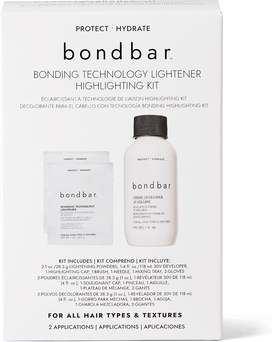
Bondbar Bonding Technology Lightener Highlighting Kit eachbondbar Bonding Technology Lightener Highlighting Kit provides the current bondbar Bonding Technology Lightener and 30v Creme Developer, designed to protect and hydrate hair bonds during the lightening process. Compared to traditional lighteners,...22,89 $*Shipping: 0,00 $Secure redirect to the provider
-
Bondbar Bonding Shampoo 33.8 oz 33.8 Fl Ozbondbar Bonding Shampoo gently cleanses, protects, repairs and hydrates all hair types and textures — making it the perfect addition to your wash-day routine. It also restores much-needed moisture, adds stunning shine and prevents frizz and flyaways...32,99 $*Shipping: 0,00 $Secure redirect to the provider
-
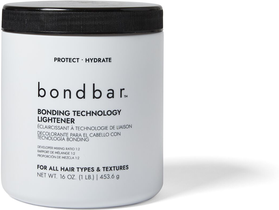
Bondbar Bonding Technology Lightener Tub 16 oz 16 Ozbondbar Bonding Technology Lightener is an innovative formula designed to protect and hydrate hair bonds during the lightening process. Compared to traditional lighteners, this on- and off-scalp powder formula reduces the potential for damage and...25,49 $*Shipping: 0,00 $Secure redirect to the provider

-
What are examples of ionic bonding, covalent bonding, and metallic bonding?
Ionic bonding occurs when one atom transfers electrons to another, resulting in the formation of positively and negatively charged ions that are attracted to each other. An example of ionic bonding is the bond between sodium and chlorine in sodium chloride (table salt). Covalent bonding occurs when atoms share electrons to achieve a full outer shell. An example of covalent bonding is the bond between two hydrogen atoms in a molecule of hydrogen gas (H2). Metallic bonding occurs in metals, where the outer electrons of the atoms are delocalized and free to move throughout the structure, creating a "sea" of electrons that hold the metal atoms together. An example of metallic bonding is the bond between atoms in a piece of copper metal. **
-
What is the difference between ionic bonding, covalent bonding, and metallic bonding?
Ionic bonding involves the transfer of electrons from one atom to another, resulting in the formation of positively and negatively charged ions that are held together by electrostatic forces. Covalent bonding involves the sharing of electrons between atoms to achieve a stable electron configuration. Metallic bonding occurs in metals, where electrons are delocalized and free to move throughout the material, creating a "sea of electrons" that hold the metal atoms together. Each type of bonding results in different properties and behaviors of the substances involved. **
-
Who is familiar with chemistry in ionic bonding, metallic bonding, and molecular bonding?
Individuals who have studied chemistry at a high school or college level are likely to be familiar with ionic bonding, metallic bonding, and molecular bonding. This includes students, teachers, and professionals in the fields of chemistry, chemical engineering, and materials science. Additionally, those who have a general interest in science and have taken courses or done independent study in chemistry may also have knowledge of these types of chemical bonding. **
-
Does this self-built air conditioner work?
Without more information about the specific self-built air conditioner in question, it is difficult to determine whether it works or not. The effectiveness of a self-built air conditioner would depend on the design, materials used, and the skill of the builder. It would be important to test the air conditioner in a controlled environment to assess its cooling capabilities and efficiency. Additionally, comparing its performance to a commercially available air conditioner could provide insight into its effectiveness. **

Is there a coin-operated vending machine in Flensburg?
Yes, there are coin-operated vending machines in Flensburg. These machines can be found in various locations such as train stations, shopping centers, and public buildings. They offer a variety of products including snacks, drinks, and even everyday essentials like toiletries and phone chargers. Customers can use coins to make purchases from these vending machines. **
What is the difference between covalent bonding and ionic bonding?
Covalent bonding involves the sharing of electrons between atoms to achieve a stable electron configuration, typically between nonmetals. Ionic bonding involves the transfer of electrons from one atom to another, resulting in the formation of positively and negatively charged ions that are attracted to each other, typically between a metal and a nonmetal. In covalent bonding, the atoms involved have similar electronegativities, while in ionic bonding, there is a significant difference in electronegativities between the atoms. **
Top-Angebote
Products related to Bondbar-Bonding-Conditioner-33:
-
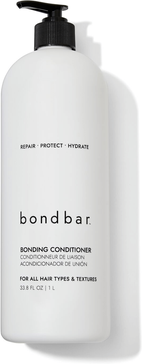
Bondbar Bonding Conditioner 33.8 oz 33.8 Fl Ozbondbar is a bond building repair system that helps to protect, strengthen and hydrate hair.A moisturizing and reparative Conditioner that leaves hair shiny and feeling healthier.When used as part of the Bondbar system, reduces breakage during...32,99 $*Shipping: 0,00 $Secure redirect to the provider
-
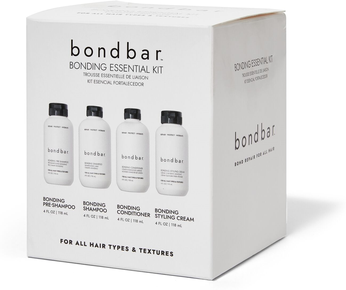
Bondbar Bonding Essential Kitbondbar Bonding Essentials Kit comes with everything you need to kickstart your healthy hair care routine. It includes bondbar Bonding Pre-Shampoo, bondbar Bonding Shampoo, bondbar Bonding Conditioner and bondbar Bonding Styling Cream. Hair is made...29,99 $*Shipping: 0,00 $Secure redirect to the provider
-
Bondbar Bonding Technology Lightener Highlighting Kit eachbondbar Bonding Technology Lightener Highlighting Kit provides the current bondbar Bonding Technology Lightener and 30v Creme Developer, designed to protect and hydrate hair bonds during the lightening process. Compared to traditional lighteners,...22,89 $*Shipping: 0,00 $Secure redirect to the provider
-
What distinguishes all types of bonding: ionic bonding, metallic bonding, and covalent bonding?
Ionic bonding involves the transfer of electrons from one atom to another, resulting in the formation of positively and negatively charged ions that are attracted to each other. Metallic bonding involves the sharing of electrons among a sea of delocalized electrons, creating a "sea of electrons" that holds the metal atoms together. Covalent bonding involves the sharing of electrons between atoms, resulting in the formation of molecules. Despite their differences, all types of bonding involve the interaction of electrons between atoms to form stable chemical compounds. **
-
What distinguishes all types of chemical bonding: ionic bonding, metallic bonding, and covalent bonding?
The main distinction among the three types of chemical bonding lies in the way atoms are held together. In ionic bonding, atoms transfer electrons to achieve a stable electron configuration. Metallic bonding involves a sea of delocalized electrons shared among a lattice of metal atoms. Covalent bonding, on the other hand, involves the sharing of electrons between atoms to achieve a stable electron configuration. Each type of bonding results in different properties and behaviors of the substances formed. **
-
What are examples of ionic bonding, covalent bonding, and metallic bonding?
Ionic bonding occurs when one atom transfers electrons to another, resulting in the formation of positively and negatively charged ions that are attracted to each other. An example of ionic bonding is the bond between sodium and chlorine in sodium chloride (table salt). Covalent bonding occurs when atoms share electrons to achieve a full outer shell. An example of covalent bonding is the bond between two hydrogen atoms in a molecule of hydrogen gas (H2). Metallic bonding occurs in metals, where the outer electrons of the atoms are delocalized and free to move throughout the structure, creating a "sea" of electrons that hold the metal atoms together. An example of metallic bonding is the bond between atoms in a piece of copper metal. **
-
What is the difference between ionic bonding, covalent bonding, and metallic bonding?
Ionic bonding involves the transfer of electrons from one atom to another, resulting in the formation of positively and negatively charged ions that are held together by electrostatic forces. Covalent bonding involves the sharing of electrons between atoms to achieve a stable electron configuration. Metallic bonding occurs in metals, where electrons are delocalized and free to move throughout the material, creating a "sea of electrons" that hold the metal atoms together. Each type of bonding results in different properties and behaviors of the substances involved. **
Similar search terms for Bondbar-Bonding-Conditioner-33
-
Bondbar Bonding Shampoo 33.8 oz 33.8 Fl Ozbondbar Bonding Shampoo gently cleanses, protects, repairs and hydrates all hair types and textures — making it the perfect addition to your wash-day routine. It also restores much-needed moisture, adds stunning shine and prevents frizz and flyaways...32,99 $*Shipping: 0,00 $Secure redirect to the provider
-
Bondbar Bonding Technology Lightener Tub 16 oz 16 Ozbondbar Bonding Technology Lightener is an innovative formula designed to protect and hydrate hair bonds during the lightening process. Compared to traditional lighteners, this on- and off-scalp powder formula reduces the potential for damage and...25,49 $*Shipping: 0,00 $Secure redirect to the provider
-
Redken Acidic Bonding Concentrate Conditioner 1000mLA conditioner. Formulated with citric acid, presents a concentrated bonding care complex that strengthens weakened bonds, improving hair strength. With an acidic pH to help the hair defend against the negative effects of coloring, styling tools and even water. Apply to wet hair, massage and rinse. For best results, complement with the remaining Acidic Bonding Concentrate range.43,49 £*Shipping: 15,47 £Secure redirect to the provider
-
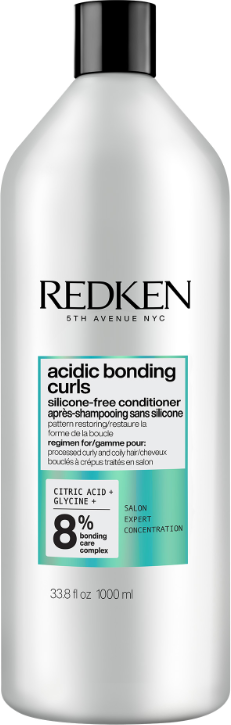
Redken Acidic Bonding Curls Conditioner 1000 mlHealth and Beauty Hair conditioners Redken Acidic Bonding Curls Conditioner 1000 ml What is Redken Acidic Bonding Curls Conditioner? Redken Acidic Bonding Curls Conditioner is a treatment designed specifically for curly and wavy hair. This innovative conditioner is part of the Acidic Bonding line, which focuses on providing deep hydration and restoring hair integrity. Its acidic formula helps seal the hair cuticle, reducing porosity and improving curl definition. With ingredients that nourish and strengthen, this conditioner is ideal for keeping your curls soft, shiny and healthy. Benefits: - Intense hydration: Provides deep hydration that combats dryness and frizz. - Curl definition: Improves the definition of curls, leaving them softer and more manageable. - Strengthens hair: Its formula helps restore hair strength and elasticity, preventing breakage. - Color protection: Helps maintain color intensity, protecting curls from environmental damage. - Daily use: Can be used as part of your daily hair care routine, without causing build-up. Who is it for? This conditioner is perfect for people with curly or wavy hair who are looking to improve the health of their curls. It is ideal for those who face problems with dryness, frizz or lack of definition in their waves. It is also suitable for those who have subjected their hair to chemical treatments and require a product that helps restore vitality and shine to their hair. If your hair tends to be dry or brittle, the Redken Acidic Bonding Curls Conditioner is an effective solution to transform your hair care routine. How do I apply it? For best results with Redken Acidic Bonding Curls Conditioner, follow these steps: 1. Wash your hair with a mild shampoo specifically for curly hair. 2. Apply a generous amount of conditioner to damp hair, starting at the ends and working up to the roots. 3. Gently detangle with a wide-tooth comb or your fingers to prevent breakage. 4. Leave the conditioner on for 3-5 minutes to allow the ingredients to penetrate deeply. 5. Rinse thoroughly with warm water. For extra hydration, you can leave a little of the product on the tips. 6. Style your hair as usual, using your favorite curl products. Buy Redken Redken Acidic Bonding Curls Conditioner If you're looking for a conditioner that will transform your curls and keep them healthy, look no further. Redken Acidic Bonding Curls Conditioner is the solution you need for radiant, bouncy hair. Available in our online store, you can order today and enjoy the experience of perfectly hydrated hair with defined curls. Give your hair the care it deserves!40,31 £*Shipping: 4,99 £Secure redirect to the provider
-
Who is familiar with chemistry in ionic bonding, metallic bonding, and molecular bonding?
Individuals who have studied chemistry at a high school or college level are likely to be familiar with ionic bonding, metallic bonding, and molecular bonding. This includes students, teachers, and professionals in the fields of chemistry, chemical engineering, and materials science. Additionally, those who have a general interest in science and have taken courses or done independent study in chemistry may also have knowledge of these types of chemical bonding. **
-
Does this self-built air conditioner work?
Without more information about the specific self-built air conditioner in question, it is difficult to determine whether it works or not. The effectiveness of a self-built air conditioner would depend on the design, materials used, and the skill of the builder. It would be important to test the air conditioner in a controlled environment to assess its cooling capabilities and efficiency. Additionally, comparing its performance to a commercially available air conditioner could provide insight into its effectiveness. **
-
Is there a coin-operated vending machine in Flensburg?
Yes, there are coin-operated vending machines in Flensburg. These machines can be found in various locations such as train stations, shopping centers, and public buildings. They offer a variety of products including snacks, drinks, and even everyday essentials like toiletries and phone chargers. Customers can use coins to make purchases from these vending machines. **
-
What is the difference between covalent bonding and ionic bonding?
Covalent bonding involves the sharing of electrons between atoms to achieve a stable electron configuration, typically between nonmetals. Ionic bonding involves the transfer of electrons from one atom to another, resulting in the formation of positively and negatively charged ions that are attracted to each other, typically between a metal and a nonmetal. In covalent bonding, the atoms involved have similar electronegativities, while in ionic bonding, there is a significant difference in electronegativities between the atoms. **
* All prices are inclusive of VAT and, if applicable, plus shipping costs. The offer information is based on the details provided by the respective shop and is updated through automated processes. Real-time updates do not occur, so deviations can occur in individual cases. ** Note: Parts of this content were created by AI.