Buy automaten.info ?
We are moving the project
automaten.info .
Are you interested in purchasing the domain
automaten.info ?
domain@kv-gmbh.de · 0541-91531010
Buy automaten.info ?
Is there a coin-operated vending machine in Flensburg?
Yes, there are coin-operated vending machines in Flensburg. These machines can be found in various locations such as train stations, shopping centers, and public buildings. They offer a variety of products including snacks, drinks, and even everyday essentials like toiletries and phone chargers. Customers can use coins to make purchases from these vending machines. **
What is the difference between resistance and specific resistance?
Resistance is the opposition to the flow of electric current in a material, measured in ohms. It is a property of the material itself. Specific resistance, also known as resistivity, is a material property that quantifies how strongly a material opposes the flow of electric current. It is a characteristic of the material's composition and is used to calculate the resistance of a specific shape and size of material. **


Similar search terms for AMiO-04088-Resistance
Top-Angebote
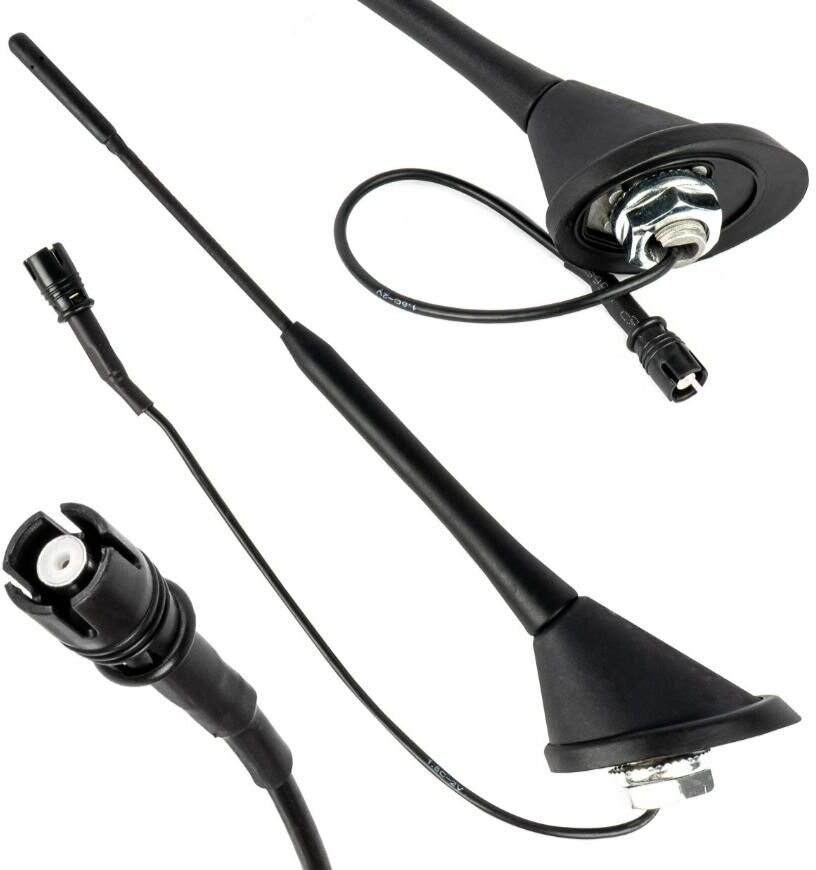
Products related to AMiO-04088-Resistance:



-
What did you get for your money at the first coin-operated vending machine?
At the first coin-operated vending machine, which was created in the early 1880s by Percival Everett, customers could purchase postcards for their money. The machine was installed in the railway stations and post offices in London, and for a penny, customers could receive a postcard featuring a picture of the surrounding area. This early vending machine was a novelty at the time and provided customers with a convenient way to purchase postcards without the need for human interaction. **
-
What are the tolerances for resistance chains and resistance cubes?
The tolerances for resistance chains and resistance cubes typically vary depending on the manufacturer and the specific product. However, in general, resistance chains and cubes are designed to have tight tolerances to ensure accurate and consistent resistance levels for users. It is common for resistance chains and cubes to have tolerances within a few percentage points to maintain their effectiveness and reliability during workouts. It is recommended to refer to the product specifications provided by the manufacturer for more detailed information on the tolerances of specific resistance chains and cubes. **
-
What is the difference between electrical resistance and specific resistance?
Electrical resistance is the opposition to the flow of electric current in a material, measured in ohms. It is a property of the material itself and is dependent on factors such as the material's dimensions and temperature. Specific resistance, on the other hand, is a material property that quantifies how much a material resists the flow of electric current compared to a standard material. It is also known as resistivity and is measured in ohm-meters. In essence, electrical resistance is the overall resistance of a material, while specific resistance is a more intrinsic property of the material itself. **
-
How do I calculate the resistance with the internal resistance?
To calculate the total resistance with the internal resistance, you can use the formula: R_total = R_internal + R_external, where R_total is the total resistance, R_internal is the internal resistance, and R_external is the external resistance. This formula takes into account the resistance from both the internal and external components of the circuit. By adding the internal and external resistances together, you can determine the total resistance in the circuit. **
What is the difference between insulation resistance and surface resistance?
Insulation resistance measures the resistance to the flow of current through the insulation material between two conductors, while surface resistance measures the resistance to the flow of current across the surface of a material. Insulation resistance is typically used to assess the effectiveness of insulation materials in preventing current leakage, while surface resistance is used to evaluate the cleanliness and conductivity of surfaces in electronic and electrical applications. In summary, insulation resistance measures the resistance through a material, while surface resistance measures the resistance across a material's surface. **
Is the protective resistance the same as the series resistance?
No, the protective resistance is not the same as the series resistance. The protective resistance is a component used to limit the current in a circuit and protect other components from damage. It is typically used in parallel with the component it is protecting. On the other hand, the series resistance is a component that is connected in series with other components in a circuit, affecting the overall resistance and current flow in the circuit. While both resistances are used to control current, they serve different purposes and are connected in different ways within a circuit. **
Top-Angebote
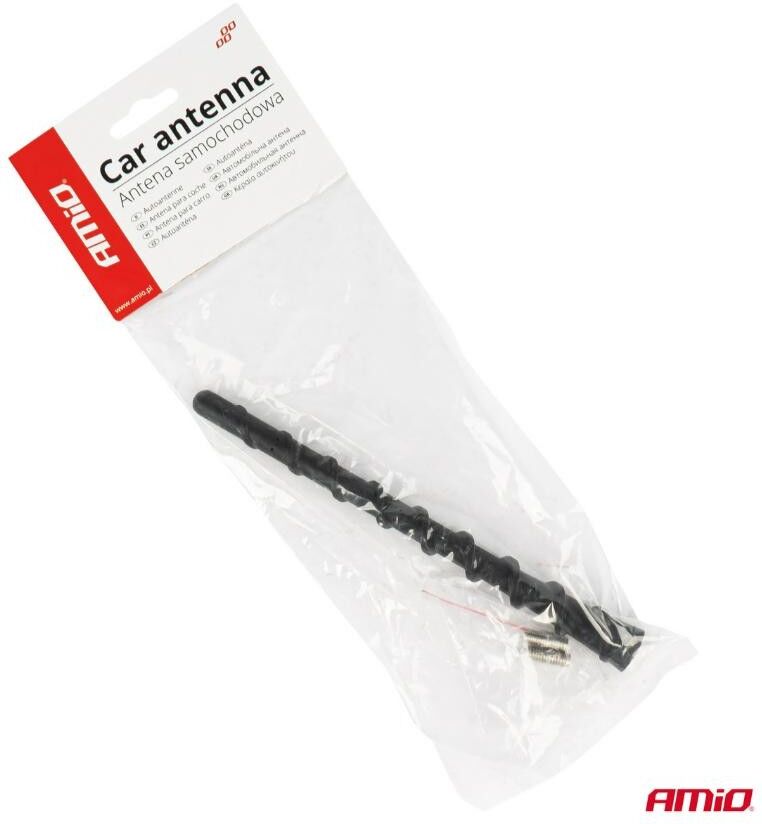
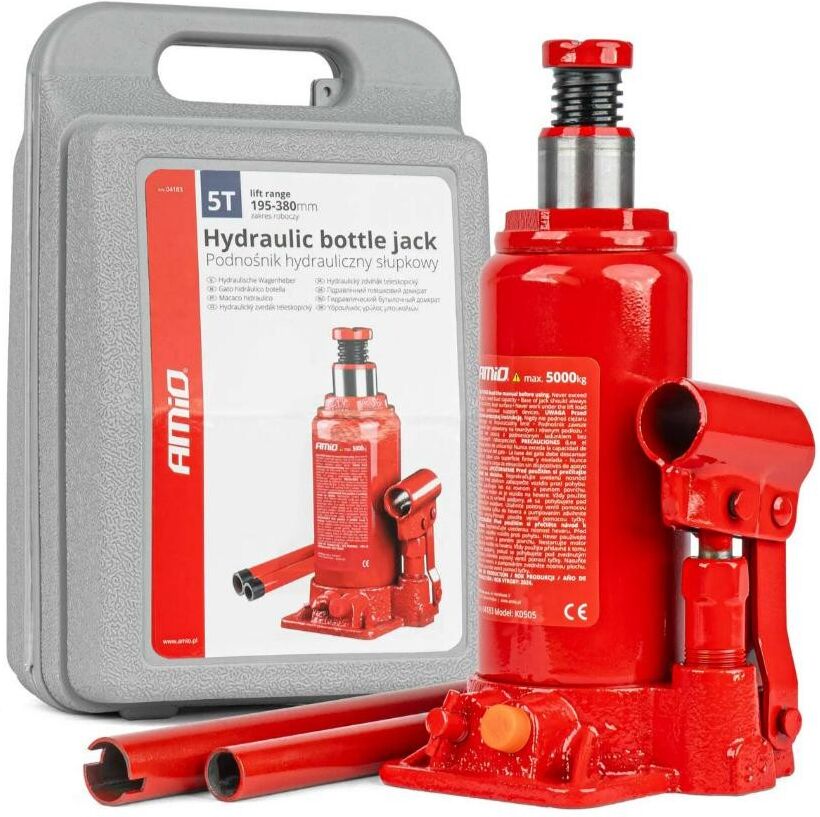
Products related to AMiO-04088-Resistance:
-
Uplift Picks Kids Vending Machine Toy Coin Operated Mini Drink Dispenser purple (unicorn)Bring the fun of a real shop experience home with this exciting kids vending machine toy designed for imaginative play. This realistic coin operated pretend play toy lets children insert coins, press buttons, and watch their favorite mini drinks...140,00 $*Shipping: 0,00 $Secure redirect to the provider
-
Is there a coin-operated vending machine in Flensburg?
Yes, there are coin-operated vending machines in Flensburg. These machines can be found in various locations such as train stations, shopping centers, and public buildings. They offer a variety of products including snacks, drinks, and even everyday essentials like toiletries and phone chargers. Customers can use coins to make purchases from these vending machines. **
-
What is the difference between resistance and specific resistance?
Resistance is the opposition to the flow of electric current in a material, measured in ohms. It is a property of the material itself. Specific resistance, also known as resistivity, is a material property that quantifies how strongly a material opposes the flow of electric current. It is a characteristic of the material's composition and is used to calculate the resistance of a specific shape and size of material. **
-
What did you get for your money at the first coin-operated vending machine?
At the first coin-operated vending machine, which was created in the early 1880s by Percival Everett, customers could purchase postcards for their money. The machine was installed in the railway stations and post offices in London, and for a penny, customers could receive a postcard featuring a picture of the surrounding area. This early vending machine was a novelty at the time and provided customers with a convenient way to purchase postcards without the need for human interaction. **
-
What are the tolerances for resistance chains and resistance cubes?
The tolerances for resistance chains and resistance cubes typically vary depending on the manufacturer and the specific product. However, in general, resistance chains and cubes are designed to have tight tolerances to ensure accurate and consistent resistance levels for users. It is common for resistance chains and cubes to have tolerances within a few percentage points to maintain their effectiveness and reliability during workouts. It is recommended to refer to the product specifications provided by the manufacturer for more detailed information on the tolerances of specific resistance chains and cubes. **
Similar search terms for AMiO-04088-Resistance
-
What is the difference between electrical resistance and specific resistance?
Electrical resistance is the opposition to the flow of electric current in a material, measured in ohms. It is a property of the material itself and is dependent on factors such as the material's dimensions and temperature. Specific resistance, on the other hand, is a material property that quantifies how much a material resists the flow of electric current compared to a standard material. It is also known as resistivity and is measured in ohm-meters. In essence, electrical resistance is the overall resistance of a material, while specific resistance is a more intrinsic property of the material itself. **
-
How do I calculate the resistance with the internal resistance?
To calculate the total resistance with the internal resistance, you can use the formula: R_total = R_internal + R_external, where R_total is the total resistance, R_internal is the internal resistance, and R_external is the external resistance. This formula takes into account the resistance from both the internal and external components of the circuit. By adding the internal and external resistances together, you can determine the total resistance in the circuit. **
-
What is the difference between insulation resistance and surface resistance?
Insulation resistance measures the resistance to the flow of current through the insulation material between two conductors, while surface resistance measures the resistance to the flow of current across the surface of a material. Insulation resistance is typically used to assess the effectiveness of insulation materials in preventing current leakage, while surface resistance is used to evaluate the cleanliness and conductivity of surfaces in electronic and electrical applications. In summary, insulation resistance measures the resistance through a material, while surface resistance measures the resistance across a material's surface. **
-
Is the protective resistance the same as the series resistance?
No, the protective resistance is not the same as the series resistance. The protective resistance is a component used to limit the current in a circuit and protect other components from damage. It is typically used in parallel with the component it is protecting. On the other hand, the series resistance is a component that is connected in series with other components in a circuit, affecting the overall resistance and current flow in the circuit. While both resistances are used to control current, they serve different purposes and are connected in different ways within a circuit. **
* All prices are inclusive of VAT and, if applicable, plus shipping costs. The offer information is based on the details provided by the respective shop and is updated through automated processes. Real-time updates do not occur, so deviations can occur in individual cases. ** Note: Parts of this content were created by AI.