Buy automaten.info ?
We are moving the project
automaten.info .
Are you interested in purchasing the domain
automaten.info ?
domain@kv-gmbh.de · 0541-91531010
Buy automaten.info ?
How do you heat PTC?
PTC (Positive Temperature Coefficient) heating elements can be heated by passing an electric current through them. When an electric current is applied, the resistance of the PTC material increases, causing it to heat up. This self-regulating property makes PTC heating elements efficient and safe for various applications such as heating pads, automotive heaters, and hair dryers. The amount of heat produced can be controlled by adjusting the voltage or current supplied to the PTC element. **
Which 1500W power supplies would you recommend?
I would recommend the Corsair AXi Series AX1500i and the EVGA SuperNOVA 1600 T2 as 1500W power supplies. Both of these power supplies are highly efficient, with 80 Plus Titanium certification, and offer excellent performance and reliability. They also come with fully modular cables, allowing for easy cable management and customization. Additionally, they have received positive reviews from users and are known for their high build quality and stability. **
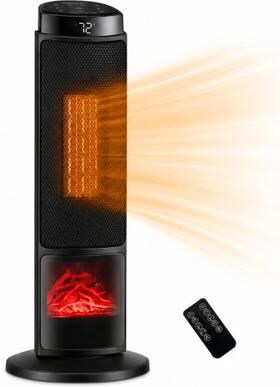

Similar search terms for Costway-1500W-PTC-Fast
Top-Angebote
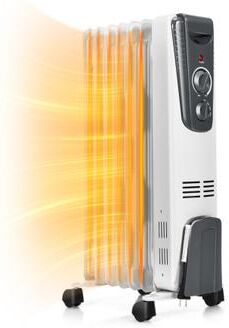
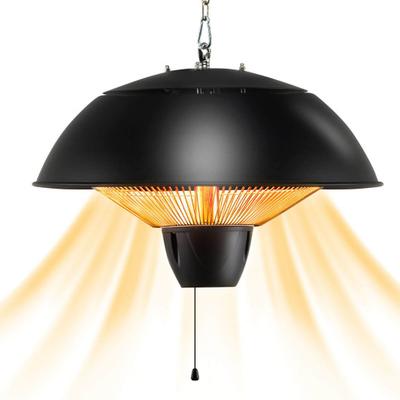
Products related to Costway-1500W-PTC-Fast:
-
Uplift Picks Kids Vending Machine Toy Coin Operated Mini Drink Dispenser red (rabbit)Bring the fun of a real shop experience home with this exciting kids vending machine toy designed for imaginative play. This realistic coin operated pretend play toy lets children insert coins, press buttons, and watch their favorite mini drinks...140,00 $*Shipping: 0,00 $Secure redirect to the provider



-
What are six alternative options for PTC KTY11?
1. NTC thermistors: These are negative temperature coefficient thermistors that have a resistance that decreases as temperature increases. They can be used as an alternative to PTC KTY11 in temperature sensing applications. 2. RTD sensors: Resistance temperature detectors are another alternative to PTC KTY11. They are made of pure metals or metal alloys and their resistance changes with temperature. 3. Thermocouples: These are temperature sensors that consist of two different conductors that produce a voltage proportional to the temperature difference between the ends. They are commonly used in industrial and scientific applications. 4. Infrared sensors: These sensors detect temperature by measuring the infrared radiation emitted by an object. They can be used as an alternative to contact-based temperature sensors like PTC KTY11. 5. IC temperature sensors: Integrated circuit temperature sensors are small, low-cost sensors that can be used to measure temperature in electronic devices and systems. 6. Fiber optic sensors: These sensors use optical fibers to measure **
-
How does the characteristic curve of PTC and NTC resistors change due to self-heating?
Self-heating in PTC (Positive Temperature Coefficient) resistors causes an increase in temperature, which in turn leads to a decrease in resistance. This results in a shift of the characteristic curve to the right, indicating higher resistance values at higher temperatures. On the other hand, self-heating in NTC (Negative Temperature Coefficient) resistors causes an increase in temperature, leading to a decrease in resistance. This shift in resistance values causes the characteristic curve of NTC resistors to move to the left, indicating lower resistance values at higher temperatures. **
-
Is there a coin-operated vending machine in Flensburg?
Yes, there are coin-operated vending machines in Flensburg. These machines can be found in various locations such as train stations, shopping centers, and public buildings. They offer a variety of products including snacks, drinks, and even everyday essentials like toiletries and phone chargers. Customers can use coins to make purchases from these vending machines. **
-
How does a PTC re-settable fuse work in electronics?
A PTC (positive temperature coefficient) re-settable fuse works by using a polymer material that has a high resistance at normal operating temperatures. When a high current or overcurrent condition occurs, the PTC fuse heats up and its resistance increases dramatically, effectively limiting the current flow and protecting the circuit. Once the overcurrent condition is removed, the PTC fuse cools down and its resistance decreases, allowing the circuit to function normally again. This self-resetting feature makes PTC fuses ideal for protecting electronic circuits from overcurrent events. **

Can someone answer this exam question about NTC and PTC resistors correctly?
Yes, someone can answer an exam question about NTC and PTC resistors correctly if they have a good understanding of the differences between the two types of resistors. NTC resistors have a negative temperature coefficient, meaning their resistance decreases as temperature increases, while PTC resistors have a positive temperature coefficient, causing their resistance to increase with temperature. By knowing these key differences and how they affect the behavior of the resistors in circuits, someone should be able to answer an exam question about NTC and PTC resistors accurately. **
How much power do I need with an amplifier for a 1500W subwoofer?
To power a 1500W subwoofer, you will need an amplifier that can deliver at least 1500W of power. It's important to match the power output of the amplifier to the power handling of the subwoofer to ensure optimal performance and prevent damage to the equipment. Additionally, consider the impedance of the subwoofer and the amplifier's compatibility to ensure they work together effectively. **
Top-Angebote
Products related to Costway-1500W-PTC-Fast:
-
How do you heat PTC?
PTC (Positive Temperature Coefficient) heating elements can be heated by passing an electric current through them. When an electric current is applied, the resistance of the PTC material increases, causing it to heat up. This self-regulating property makes PTC heating elements efficient and safe for various applications such as heating pads, automotive heaters, and hair dryers. The amount of heat produced can be controlled by adjusting the voltage or current supplied to the PTC element. **
-
Which 1500W power supplies would you recommend?
I would recommend the Corsair AXi Series AX1500i and the EVGA SuperNOVA 1600 T2 as 1500W power supplies. Both of these power supplies are highly efficient, with 80 Plus Titanium certification, and offer excellent performance and reliability. They also come with fully modular cables, allowing for easy cable management and customization. Additionally, they have received positive reviews from users and are known for their high build quality and stability. **
-
What are six alternative options for PTC KTY11?
1. NTC thermistors: These are negative temperature coefficient thermistors that have a resistance that decreases as temperature increases. They can be used as an alternative to PTC KTY11 in temperature sensing applications. 2. RTD sensors: Resistance temperature detectors are another alternative to PTC KTY11. They are made of pure metals or metal alloys and their resistance changes with temperature. 3. Thermocouples: These are temperature sensors that consist of two different conductors that produce a voltage proportional to the temperature difference between the ends. They are commonly used in industrial and scientific applications. 4. Infrared sensors: These sensors detect temperature by measuring the infrared radiation emitted by an object. They can be used as an alternative to contact-based temperature sensors like PTC KTY11. 5. IC temperature sensors: Integrated circuit temperature sensors are small, low-cost sensors that can be used to measure temperature in electronic devices and systems. 6. Fiber optic sensors: These sensors use optical fibers to measure **
-
How does the characteristic curve of PTC and NTC resistors change due to self-heating?
Self-heating in PTC (Positive Temperature Coefficient) resistors causes an increase in temperature, which in turn leads to a decrease in resistance. This results in a shift of the characteristic curve to the right, indicating higher resistance values at higher temperatures. On the other hand, self-heating in NTC (Negative Temperature Coefficient) resistors causes an increase in temperature, leading to a decrease in resistance. This shift in resistance values causes the characteristic curve of NTC resistors to move to the left, indicating lower resistance values at higher temperatures. **
Similar search terms for Costway-1500W-PTC-Fast
-
Uplift Picks Kids Vending Machine Toy Coin Operated Mini Drink Dispenser red (rabbit)Bring the fun of a real shop experience home with this exciting kids vending machine toy designed for imaginative play. This realistic coin operated pretend play toy lets children insert coins, press buttons, and watch their favorite mini drinks...140,00 $*Shipping: 0,00 $Secure redirect to the provider
-
Is there a coin-operated vending machine in Flensburg?
Yes, there are coin-operated vending machines in Flensburg. These machines can be found in various locations such as train stations, shopping centers, and public buildings. They offer a variety of products including snacks, drinks, and even everyday essentials like toiletries and phone chargers. Customers can use coins to make purchases from these vending machines. **
-
How does a PTC re-settable fuse work in electronics?
A PTC (positive temperature coefficient) re-settable fuse works by using a polymer material that has a high resistance at normal operating temperatures. When a high current or overcurrent condition occurs, the PTC fuse heats up and its resistance increases dramatically, effectively limiting the current flow and protecting the circuit. Once the overcurrent condition is removed, the PTC fuse cools down and its resistance decreases, allowing the circuit to function normally again. This self-resetting feature makes PTC fuses ideal for protecting electronic circuits from overcurrent events. **
-
Can someone answer this exam question about NTC and PTC resistors correctly?
Yes, someone can answer an exam question about NTC and PTC resistors correctly if they have a good understanding of the differences between the two types of resistors. NTC resistors have a negative temperature coefficient, meaning their resistance decreases as temperature increases, while PTC resistors have a positive temperature coefficient, causing their resistance to increase with temperature. By knowing these key differences and how they affect the behavior of the resistors in circuits, someone should be able to answer an exam question about NTC and PTC resistors accurately. **
-
How much power do I need with an amplifier for a 1500W subwoofer?
To power a 1500W subwoofer, you will need an amplifier that can deliver at least 1500W of power. It's important to match the power output of the amplifier to the power handling of the subwoofer to ensure optimal performance and prevent damage to the equipment. Additionally, consider the impedance of the subwoofer and the amplifier's compatibility to ensure they work together effectively. **
* All prices are inclusive of VAT and, if applicable, plus shipping costs. The offer information is based on the details provided by the respective shop and is updated through automated processes. Real-time updates do not occur, so deviations can occur in individual cases. ** Note: Parts of this content were created by AI.